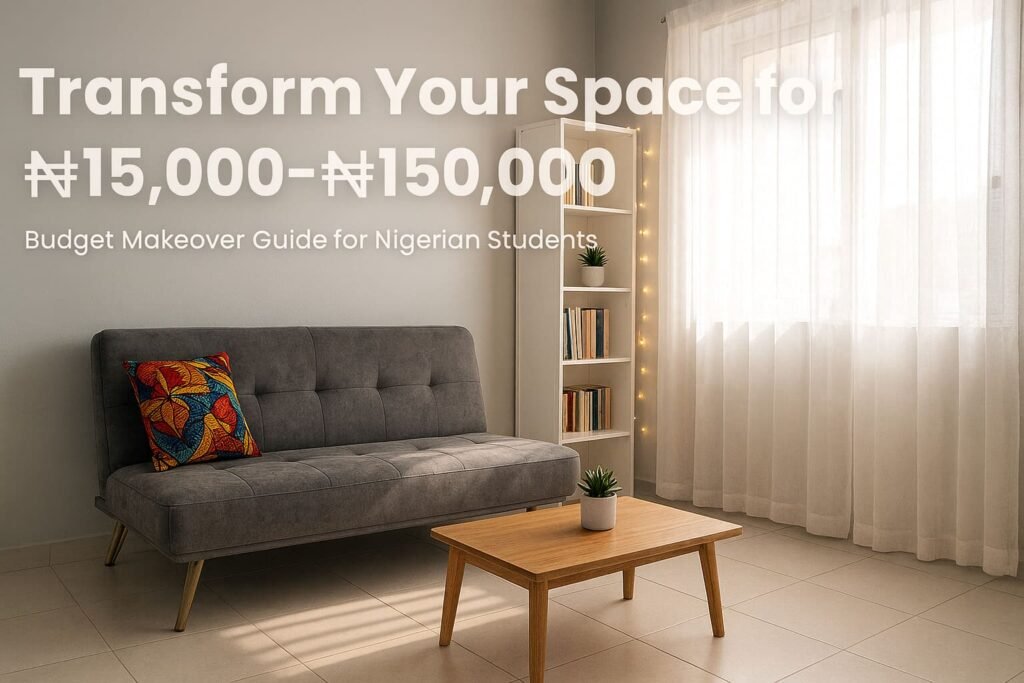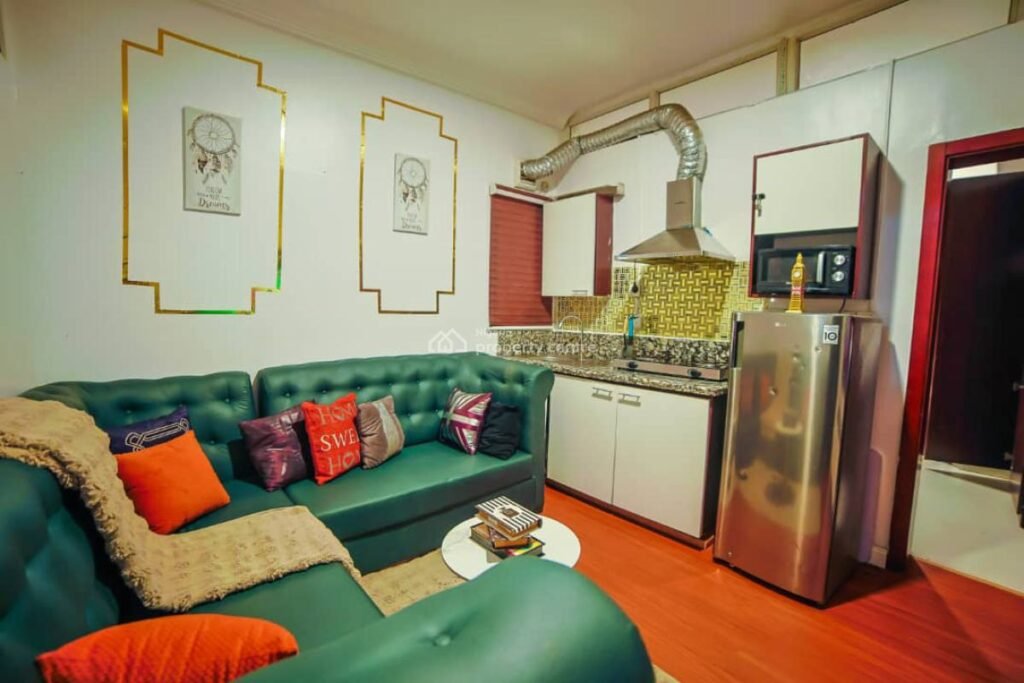
Moving into a new mini-flat is exciting. You finally have your own space! But if you have not already, now is the perfect time to declutter before moving in so you only bring what you truly need. Then reality hits you. You look at empty rooms and realize you need a bed, a chair, and a place to cook. When you check furniture prices in Lagos or Abuja, your heart might skip a beat.
Look, I will not lie to you. The market is tough right now. Inflation is real, and things are expensive. According to data published by Statista, revenue in the Nigerian furniture market is projected to exceed US$540 million in 2026, reflecting both the scale and rising costs within this industry. Information from the National Bureau of Statistics confirms that Nigeria’s inflation rate hovered around 33.88% in late 2024, and furniture prices have followed suit with increases of 15% to 25% across most categories entering 2026.
But do not worry. I have good news. You can make your home look good without spending millions.
My name is Babatunde Oladepo, and with over 5 years of experience tracking Nigerian market trends as a researcher and content specialist, combined with living through the “hustle” of Lagos tenancy (I have moved four times across Yaba, Surulere, and Ikeja), I have mastered the art of budget furnishing. That ₦500k will stretch further than you think if you know where to look. It just takes smart planning to stretch every Naira.
In this guide, I am going to walk you through a complete budget furnishing cost breakdown. We are going to look at how to set up your home for under ₦500,000. I have visited the markets, checked the online stores, and crunched the numbers for 2026. Whether you call it a mini-flat, self-contain, studio apartment, or room and parlour, this budget furnishing cost breakdown covers everything you need.
Let us get your house sorted.
Important Price Context: The 2026 Reality
Professional interior design budgets in Nigeria range from ₦10 million to ₦20 million total, with furniture and furnishings alone costing between ₦2.5 million and ₦5 million according to estimates from JECCL Interior Design. This guide targets a completely different market: DIY budget furnishing using local markets and smart shopping strategies.
If you visit furniture showrooms in Lekki or Victoria Island, you will see sofas priced at ₦3.5 million to ₦9 million. These are imported, premium items with Italian leather and hardwood frames. This guide focuses on locally made furniture from markets like Alaba Rago, where the same styles cost 90% less. The quality difference exists, but for budget furnishing, local carpenters deliver excellent value.
Real Examples from Nigerian Millennials:
Research I conducted while preparing this guide, combined with testimonies documented by Zikoko, reveals what real Nigerians spend on furnishing:
| Person | Location | Total Spent | Key Insight |
|---|---|---|---|
| Femi, 30 | Jabi, Abuja | ₦100,000 | Minimalist approach, low salary |
| Anonymous | Gbagada, Lagos | ₦180,000 | Essential items only on ₦125k salary |
| Ben, 27 | Gbagada, Lagos | ₦750,000 | Included inverter (₦250k) and custom work |
| Anonymous | Lagos | ₦2,000,000 | Most expensive items ₦200k to ₦350k each |
By skipping AC and fridge for now and choosing basic options, our ₦500k budget is absolutely achievable for the essentials. You can always upgrade later when your finances improve.
What You Need to Know Before Furnishing Your Mini-Flat
Before you rush to Alaba market or open Jumia, you need a plan. Buying furniture without a plan is the fastest way to waste money. I learned this the hard way when I bought a beautiful L-shaped sofa in 2021, only to discover it blocked my bedroom door when I tried to arrange my 12×14 feet living room.
Real Market Experience: What I Observed in January 2026
When I walked through Alaba Rago market in the first week of January 2026, I noticed sofa prices had increased by about 18% compared to early 2025. The carpenters there told me it is because of the rising cost of foam (up 40% since mid-2024) and wood (mahogany now costs ₦85,000 per plank, up from ₦55,000 in 2024).
Here is what I documented during my market visits:
- A basic fabric 3-seater that was ₦85,000 in January 2025 now costs ₦98,000 to ₦115,000 minimum
- L-shaped sofas start at ₦135,000 (up from ₦120,000)
- Center tables range from ₦18,000 to ₦28,000 depending on the glass quality
- Bed frames have increased by roughly ₦8,000 to ₦12,000 across all sizes
I also spoke with three furniture vendors on Jiji while researching this guide. The average asking price for a decent used sofa set was ₦60,000 to ₦85,000, though you can negotiate down by 10% to 15% if you pay cash immediately.
Key Planning Steps
Measure Your Space First:
Mini-flats in Nigeria vary wildly in size. Data from Nigeria Property Centre shows there are over 4,679 mini-flats currently available across Nigeria, and sizes vary dramatically. A “room and parlour” in Agege might be 350 square feet while one in Lekki Phase 1 could be 550 square feet.
Before you buy anything:
- Measure your living room wall to wall
- Note the door swing direction (left or right)
- Measure window dimensions for curtains
- Check the bedroom dimensions for bed placement
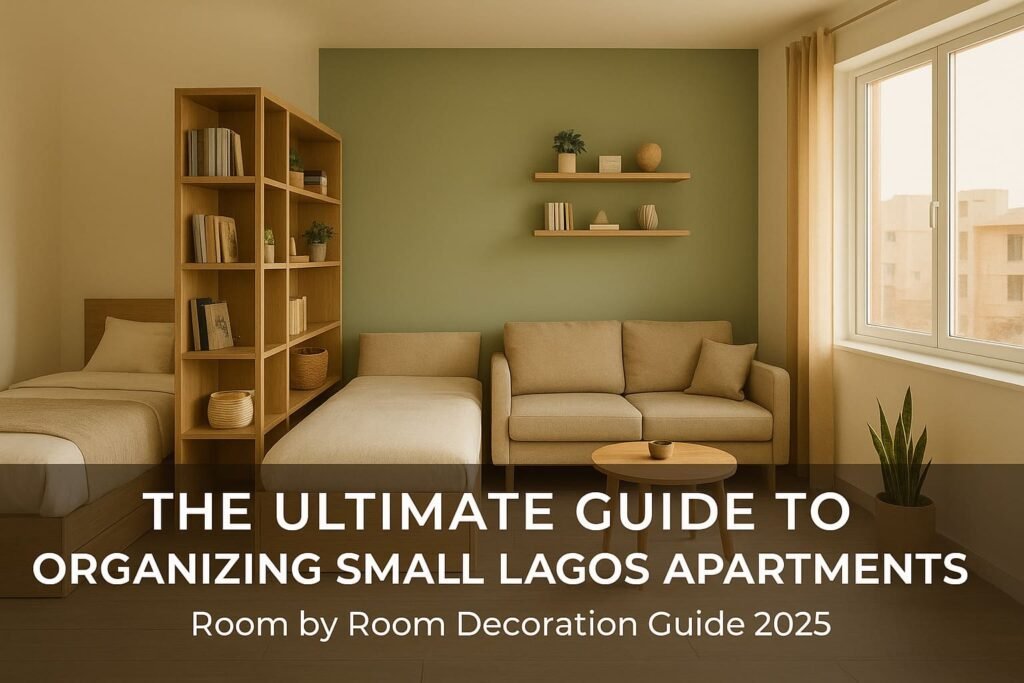
If you need inspiration for layouts, check out our complete guide on one-bedroom apartment design in Nigeria or our tips for decorating a one-room apartment.
Prioritize Needs Over Wants:
You need a mattress. You want a fancy tufted headboard. You need a gas burner. You want a microwave. Buy what you need first, then upgrade as money comes. My rule: if you cannot sleep, cook, or sit without it, it is a need.
Budget for Delivery Costs:
This catches many first-time renters off guard. Remember to keep ₦15,000 to ₦30,000 cash for:
- Market transport (hiring a pickup van): ₦8,000 to ₦15,000 depending on distance
- Carrying upstairs (per floor): ₦500 to ₦1,000 per item
- Tips for the boys who help: ₦2,000 to ₦5,000
Mini-Flat Furnishing Nigeria: Complete Budget Cost Breakdown for 2026
Here is the truth about the market today. Prices change fast, but this budget furnishing cost breakdown gives you realistic estimates verified across major Nigerian cities. This list assumes you are buying a mix of local market items and affordable ready-made goods.
| Room / Category | Estimated Budget Range (₦) | Priority Level |
|---|---|---|
| Living Room | ₦160,000 to ₦195,000 | High |
| Bedroom | ₦130,000 to ₦190,000 | Essential |
| Kitchen | ₦85,000 to ₦110,000 | Essential |
| Bathroom & Extras | ₦65,000 to ₦90,000 | Medium |
| TOTAL | ₦440,000 to ₦585,000 |
Price Verification Note: These prices were researched across Lagos (Alaba, Tejuosho, Ladipo), Abuja (Dei-Dei, Wuse), and Port Harcourt (Mile 1, Oil Mill) markets in January 2026. Prices in smaller cities like Enugu, Ibadan, or Benin may be 10% to 20% lower. Always negotiate. Market prices in Nigeria are rarely fixed, and showing hesitation often gets you a better deal.
Living Room Furniture Costs (₦160,000 to ₦195,000)
The living room is where you welcome visitors. In Nigerian culture, this room matters. A guest’s first impression of your home happens here, so you want it to look decent without breaking the bank.
Sofa Set: ₦98,000 to ₦125,000
Your biggest single expense. Here is how to get value:
Budget Option (₦98,000 to ₦110,000):
A fabric 3-seater sofa from Alaba Rago or Dei-Dei market. Look for:
- High-density foam (ask specifically, not “normal foam”)
- Hardwood frame (knock on it; solid wood sounds different from particle board)
- Reinforced stitching at the corners
Better Value Option (₦115,000 to ₦125,000):
An L-shaped sofa that doubles as extra sleeping space for visitors. Measurements to request: 6 feet main section, 4 feet extension.
Pro Tip from My Experience:
When I bought my current sofa in Alaba in 2024, I asked the carpenter to use Obeche wood for the frame instead of the cheaper softwood. It cost ₦8,000 extra but the sofa still looks new after 18 months. The softwood frames I had before started creaking within 6 months.
Center Table: ₦18,000 to ₦28,000
Simple glass or wooden coffee tables work best. Avoid:
- Tables with too many shelves (they collect dust and clutter)
- Pure glass tables if you have children or clumsy friends
- Anything with chrome legs (they rust quickly in humid Lagos weather)
Best Buy: A wooden center table with a single glass top insert from Tejuosho Market. I saw several for ₦22,000 that looked like ₦80,000 showroom pieces.
TV Stand: ₦22,000 to ₦35,000
For small spaces, consider:
- A floating shelf mounted on the wall (₦15,000 to ₦20,000 plus ₦3,000 installation)
- A compact cabinet with storage underneath (₦28,000 to ₦35,000)
If your mini-flat has limited floor space, the floating shelf saves valuable square footage. Just ensure your wall can support the weight of your TV.
Curtains and Window Accessories: ₦35,000 to ₦55,000
Prices for curtain materials have risen significantly. For a standard mini-flat with 2 to 3 windows:
- Fabric: ₦3,500 to ₦5,000 per yard (you need 4 to 5 yards per window)
- Sewing: ₦3,000 to ₦5,000 per window
- Curtain rods: ₦4,000 to ₦7,000 each
Budget Hack: Buy curtain fabric from Balogun Market in Lagos Island rather than Tejuosho. The same Ankara or polyester fabric costs 20% to 30% less because you are buying closer to the wholesale source.
Complete Living Room Budget Example:
| Item | Price Paid | Where I Bought It |
|---|---|---|
| 3-seater fabric sofa | ₦105,000 | Alaba Rago |
| Glass center table | ₦22,000 | Tejuosho |
| TV stand (compact) | ₦28,000 | Instagram vendor |
| Curtains (2 windows, complete) | ₦38,000 | Balogun + local tailor |
| Total | ₦193,000 |
Bedroom Furniture Costs (₦130,000 to ₦190,000)
This is your sanctuary. After a long day of Lagos traffic or Abuja heat, you need proper rest. Do not compromise too much here, especially on the mattress.
Mattress (4.5ft x 6ft): ₦55,000 to ₦90,000
The mattress is where budget furnishing requires careful thought. You spend 6 to 8 hours daily on this surface.
Budget Option (₦55,000 to ₦70,000):
Basic high-density foam from Ladipo Market or local vendors. Ask specifically for “high-density 6-inch foam.” Regular density foam sags within 6 months.
Mid-Range Option (₦85,000 to ₦120,000):
Brands like Vitafoam or Mouka offer semi-orthopedic options. Research carried out by 6Wresearch on the Nigerian furniture retail market indicates that Mouka controls significant market share and offers consistent quality, though prices have increased substantially since 2024.
One Zikoko respondent reported buying an orthopaedic bed for approximately ₦162,000 equivalent when living abroad, while local Nigerian options start around ₦120,000 to ₦153,000 for branded orthopedic mattresses.
What I Use:
I bought a Mouka Mondeo (₦95,000) in 2024 and it has maintained its firmness. For strict budgets, the local market foam works if you flip it every 3 months and use a mattress protector.
Bed Frame: ₦40,000 to ₦55,000
A simple wooden platform frame is sturdy and affordable. Specifications to request:
- 4.5 x 6 feet (standard Nigerian double size)
- Solid wood, not particle board
- Cross-support slats (at least 5 horizontal supports)
Skip the headboard if you are on a tight budget. A plain frame costs ₦40,000 while the same frame with a padded headboard costs ₦65,000 or more. You can add a headboard later or DIY one with fabric and foam.
Wardrobe: ₦28,000 to ₦45,000
Best Budget Option: Fabric (Cloth) Wardrobe
These collapsible wardrobes cost ₦28,000 to ₦40,000 and hold a surprising amount of clothing. Brands like Index Living or generic imports are available on Jumia and in most markets.
Why Not Wooden?
A basic wooden wardrobe starts at ₦95,000 and a decent one costs ₦120,000 or more. That is 20% to 25% of your entire budget on one item. Unless your landlord included a built-in closet, the fabric wardrobe is the smart choice for now.
Bedside Accessories: ₦12,000 to ₦15,000
- Small bedside table or plastic stool: ₦5,000 to ₦8,000
- Bedside rug (to avoid cold floor in harmattan): ₦5,000 to ₦7,000
- Basic bedding set (if not included): ₦8,000 to ₦12,000
Kitchen Furnishing Costs (₦85,000 to ₦110,000)
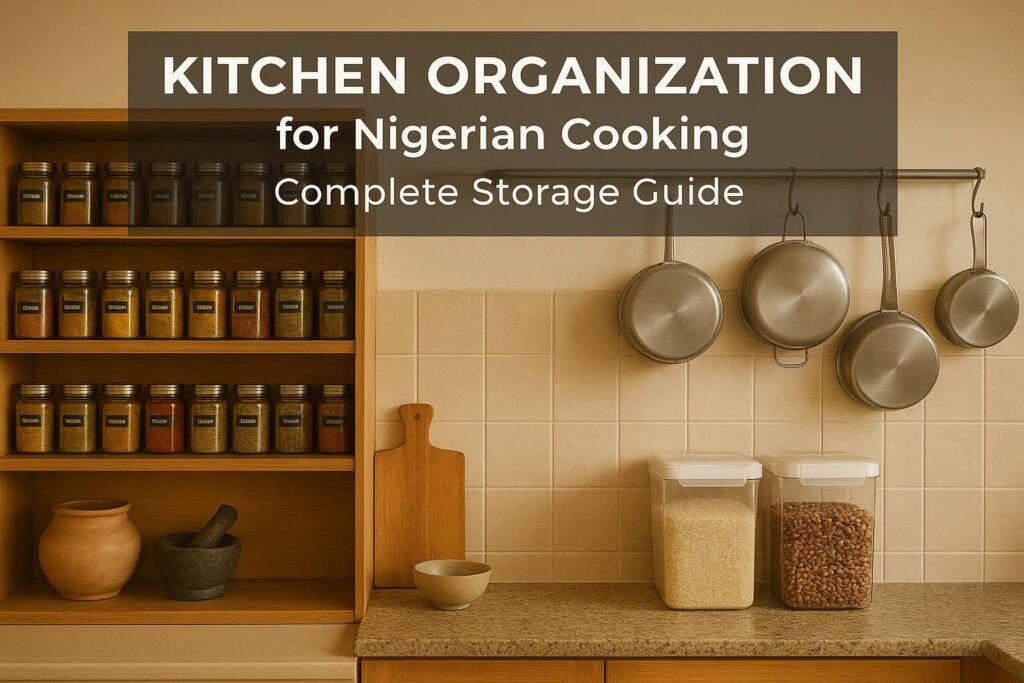
How much does it cost to furnish a kitchen? It depends on your cooking habits. Someone who meal preps every Sunday needs different equipment than someone who just boils rice and makes stew occasionally. For more detailed organization tips, see our complete guide on kitchen organization for Nigerian cooking.
Gas Burner and Cylinder: ₦48,000 to ₦58,000
Table Top Gas Burner (2-burner): ₦18,000 to ₦25,000
Brands to consider: Polystar, Scanfrost, or Restpoint. Avoid unbranded burners; the valves often leak after a few months.
Gas Cylinder (12.5kg) with Initial Fill: ₦35,000 to ₦42,000
The cylinder itself costs about ₦22,000 to ₦25,000. Filling it costs ₦12,000 to ₦17,000 depending on current gas prices. Information from the Petroleum Products Pricing Regulatory Agency (PPPRA) indicates these prices fluctuate weekly based on global oil markets. Always verify at your nearest gas station before budgeting.
Money-Saving Tip: Buy your cylinder from a reputable dealer and register it. Some dealers offer ₦500 to ₦1,000 discounts on refills for registered customers.
Kitchen Storage: ₦22,000 to ₦32,000
Metal Kitchen Rack: ₦18,000 to ₦25,000
A 4-tier standing rack is perfect for storing food items, plates, and cooking utensils. Look for:
- Rust-resistant coating
- Adjustable shelf heights
- Stable base (shake it in the market before buying)
Plastic Dish Rack: ₦4,000 to ₦7,000
Essential for drying dishes if your mini-flat does not have a drain board.
Cooking Essentials: ₦22,000 to ₦28,000
Here is a realistic starter kit:
| Item | Quantity | Price Range |
|---|---|---|
| Cooking pots (set of 3) | 1 set | ₦8,000 to ₦12,000 |
| Frying pan | 1 | ₦3,000 to ₦5,000 |
| Plates (breakable, set of 6) | 1 set | ₦3,500 to ₦5,000 |
| Cups and glasses | 6 each | ₦2,000 to ₦3,000 |
| Cutlery set | 1 | ₦2,500 to ₦4,000 |
| Cooking spoons and ladles | 5 pieces | ₦1,500 to ₦2,500 |
| Kettle (electric) | 1 | ₦5,000 to ₦8,000 |
If you want to meal prep weekly to save time and money, add:
- Food storage containers: ₦3,000 to ₦5,000
- Larger pots for batch cooking: ₦5,000 to ₦8,000
Bathroom and Extras (₦65,000 to ₦90,000)
Bathroom Accessories: ₦15,000 to ₦20,000
Most mini-flats come with basic fixtures (toilet, sink, shower), but you need:
- Mirror (if not provided): ₦5,000 to ₦8,000
- Buckets and basins: ₦4,000 to ₦6,000
- Mop and cleaning supplies: ₦3,000 to ₦5,000
- Toilet brush and holder: ₦1,500 to ₦2,500
- Towel rack: ₦2,000 to ₦3,500
Standing Fan: ₦28,000 to ₦50,000
Essential for surviving Nigerian heat. The market has shifted significantly:
Basic Standing Fan: ₦28,000 to ₦35,000
Brands like OX, Century, or Binatone. These work well but are loud and have shorter lifespans (2 to 3 years typically).
Quality Standing Fan: ₦45,000 to ₦55,000
Brands like Panasonic, Lontor, or higher-end OX models. Quieter motors and better build quality.
Rechargeable Option: ₦55,000 to ₦85,000
If power outages are frequent in your area (and let us be honest, they are frequent everywhere in Nigeria), a rechargeable fan is worth the investment. Check our detailed rechargeable fan buyers guide for specific model recommendations and battery life comparisons.
What About Air Conditioning?
A brand new 1HP split air conditioner now costs ₦380,000 to ₦480,000 for brands like Scanfrost, Hisense, or Polystar. Installation adds another ₦25,000 to ₦40,000.
This is clearly outside the ₦500k budget. If cooling is essential (you live in a top-floor flat that gets direct sun, for example), consider:
- Used AC units: ₦140,000 to ₦200,000 (inspect carefully before buying)
- Quality rechargeable fan now, AC later: This is what I did
- Landlord-provided AC: Some furnished apartments include units; check Lagos apartment hidden costs for negotiation tips
For natural cooling alternatives, our guide on how to cool down a hot house without AC offers practical solutions that actually work in Nigerian weather.
Beyond the Basics: Electronics Costs (January 2026)
The ₦500k budget above covers your essentials. However, many people ask about ACs and fridges. These are major investments now excluded from the starter budget due to inflation. Here is what to expect if you want to upgrade later:
| Upgrade Item | Estimated Price (Jan 2026) | Monthly Installment Option |
|---|---|---|
| Air Conditioner (1HP Split) | ₦380,000 to ₦480,000 | ~₦45,000/month for 12 months |
| Small Fridge (90L to 100L) | ₦155,000 to ₦210,000 | ~₦22,000/month for 9 months |
| Microwave (20L) | ₦65,000 to ₦95,000 | ~₦12,000/month for 6 months |
| Generator (3.5kVA) | ₦380,000 to ₦550,000 | ~₦55,000/month for 10 months |
The Real Cost: Adding AC, fridge, and generator would add roughly ₦950,000 to ₦1.2 million to your total budget. This is why I recommend starting with essentials and upgrading quarterly as your finances allow.
For a more sustainable long-term solution, consider our guide on solar inverter setup for a Nigerian 2-bedroom flat or the comprehensive breakdown of cost of solar power for a 3-bedroom flat in Nigeria. The upfront cost is higher, but you eliminate generator fuel costs permanently.
2026 Furniture Price List: Item-by-Item Breakdown
This comprehensive price list helps you plan specific purchases:
| Item | Budget Price (₦) | Mid-Range Price (₦) | Where to Buy |
|---|---|---|---|
| 3-Seater Sofa (fabric) | 98,000 to 125,000 | 160,000 to 280,000 | Alaba Rago, Jiji |
| L-Shaped Sofa | 135,000 to 195,000 | 280,000 to 450,000 | Local carpenters |
| Center Table (glass top) | 18,000 to 28,000 | 40,000 to 70,000 | Alaba, Jumia |
| TV Stand (compact) | 22,000 to 35,000 | 50,000 to 90,000 | Markets, Instagram vendors |
| 6×4.5 Mattress (foam) | 55,000 to 90,000 | 130,000 to 200,000 | Ladipo, Jumia |
| Wooden Bed Frame | 40,000 to 55,000 | 90,000 to 160,000 | Local carpenters |
| Fabric Wardrobe | 28,000 to 45,000 | N/A | Markets, Jumia |
| Wooden Wardrobe | 95,000 to 140,000 | 170,000 to 350,000 | Carpenters |
| Gas Cooker (2-burner) | 18,000 to 25,000 | 40,000 to 70,000 | Markets, Jumia |
| Standing Fan | 28,000 to 50,000 | 60,000 to 100,000 | Electronics stores |
| Rechargeable Fan | 55,000 to 85,000 | 95,000 to 150,000 | Jumia, electronics stores |
| Curtains (full flat) | 35,000 to 55,000 | 80,000 to 170,000 | Balogun, tailors |
| Dining Set (4-seater plastic) | 35,000 to 50,000 | 80,000 to 150,000 | Markets |
| Wall Mirror (decorative) | 8,000 to 15,000 | 25,000 to 60,000 | Instagram vendors |
How Much Does It Cost to Furnish a House Per Square Foot in Nigeria?
In places like the US and UK, people calculate costs per square foot. In Nigeria, we usually calculate per room. However, knowing how much it costs to furnish a house per square foot helps if you want to compare global standards or plan for larger spaces.
To give you perspective, research by Mordor Intelligence indicates the global furniture market exceeds USD 750 billion in 2026. While Nigeria represents a small fraction of that total, knowing international benchmarks helps appreciate the value local craftspeople provide.
For a standard mini-flat (approximately 400 square feet or 37 square meters):
- Budget Level: Approximately ₦1,100 to ₦1,350 per square foot
- Mid-Range Level: Approximately ₦3,200 to ₦4,500 per square foot
- Premium Level: ₦8,000 or more per square foot
If you are just doing the basics, you are looking at spending about ₦1,100 to ₦1,400 for every square foot of space you have.
Property Size Comparison: Mini-Flat vs. Larger Homes
A 2,000 square foot house (typical 3-bedroom) in Nigeria requires significantly more furniture than a mini-flat. Here is how costs compare:
| Property Type | Size (Sq Ft) | Size (Sq Meters) | Budget Furnishing Cost |
|---|---|---|---|
| Mini-flat / Self-contain | 300 to 500 | 28 to 46 | ₦440,000 to ₦585,000 |
| Room and Parlour | 450 to 650 | 42 to 60 | ₦520,000 to ₦750,000 |
| 2-Bedroom flat | 800 to 1,200 | 74 to 110 | ₦950,000 to ₦1,800,000 |
| 3-Bedroom flat | 1,400 to 1,800 | 130 to 167 | ₦1,800,000 to ₦3,500,000 |
| 2,000 sq ft house | 2,000 | 186 | ₦2,400,000 to ₦5,000,000 |
For larger homes, expect to multiply the mini-flat budget by 4 to 6 times.
DIY Cost Calculator: Nigerian Edition
You can use this simple method as your cost to furnish a house calculator. Grab a pen and paper or open your phone’s notes app.
Step 1: List Your Rooms
Write down every room: Living Room, Bedroom, Kitchen, Bathroom.
Step 2: Apply the “Big 3” Rule
For each room, identify the three most important items:
- Living Room: Sofa, center table, TV stand
- Bedroom: Mattress, bed frame, wardrobe
- Kitchen: Gas cooker, storage rack, cookware
- Bathroom: Mirror, storage, cleaning supplies
Step 3: Price Check
Go to Jiji.ng or Jumia and write down:
- The lowest price you find for each item
- The average price across 5 listings
Step 4: Add 20% Buffer
Add 20% to your total. This covers “miscellaneous” things like:
- Transport and delivery: 8% to 10%
- Installation fees: 3% to 5%
- Small items you forgot: 5% to 7%
Worked Example:
| Item | Lowest Price | Average Price |
|---|---|---|
| Bed Frame | ₦40,000 | ₦48,000 |
| Mattress | ₦55,000 | ₦72,000 |
| Fabric Wardrobe | ₦28,000 | ₦35,000 |
| Subtotal | ₦123,000 | ₦155,000 |
| + 20% buffer | ₦24,600 | ₦31,000 |
| Total Needed | ₦147,600 | ₦186,000 |
This tells you the bedroom alone needs ₦150,000 to ₦190,000 realistically.
How Much Should You Spend on Furniture for a New Apartment?
A common question is: “How much should you spend on furniture for a new apartment?”
The Property Value Rule (For Homeowners)
Financial experts often suggest furniture should represent 10% to 25% of your property’s value. Data from Nigeria Property Centre shows that mini-flats for sale in Lagos estates range from ₦25 million to ₦180 million depending on location, with some premium developments in Lekki listing 1-bedroom apartments at ₦180 million with delivery dates in December 2026. By the traditional furniture-to-property ratio, you would spend ₦2.5 million to ₦45 million on furniture, which is obviously impractical for budget-conscious renters.
The Income Rule (For Renters)
This makes more sense for most Nigerians. Try not to spend more than 3 months of your salary on furnishing your first apartment.
| Monthly Income | Maximum Furnishing Budget | Recommendation |
|---|---|---|
| ₦100,000 | ₦300,000 | Focus on absolute essentials only |
| ₦150,000 | ₦450,000 | This guide’s budget works perfectly |
| ₦200,000 | ₦600,000 | Can add some mid-range items |
| ₦300,000+ | ₦900,000+ | Include AC or other electronics |
Do not go into deep debt just to have a fine sofa. Your landlord does not care about your furniture, and AMCON will not be impressed either.
For context on general expenses in Nigeria’s most expensive city, see our detailed breakdown of cost of living in Lagos. If you are a corps member managing the NYSC allowance, our guide on how to save ₦10k monthly on NYSC allowance includes furniture budgeting tips specific to your situation.
Payment Plans: Average Cost of Furniture Per Month
If ₦500k cash is too much to pay at once, you might ask: “What is the average cost of furniture per month?”
In Nigeria, we now have several “Buy Now, Pay Later” options that work for furniture:
Platform Comparison
| Platform | Interest Rate | Max Tenure | Best For |
|---|---|---|---|
| CDcare | 0% (if on time) | 6 to 12 months | Electronics, appliances |
| Carbon | 5% to 15% monthly | 3 to 6 months | Quick cash for market purchases |
| CredPal | 0% to 5% | 3 to 12 months | Jumia/Konga purchases |
| PayLater by Renmoney | Varies | Up to 12 months | Larger furniture sets |
Sample Payment Plan for Complete Furnishing
| Item | Total Price | Monthly (6 months) |
|---|---|---|
| Sofa Set | ₦110,000 | ₦18,333 |
| Mattress + Frame | ₦100,000 | ₦16,667 |
| Kitchen Complete | ₦95,000 | ₦15,833 |
| Wardrobe + Extras | ₦80,000 | ₦13,333 |
| Fan + Accessories | ₦75,000 | ₦12,500 |
| Total | ₦460,000 | ₦76,667 |
If you split purchases across 6 months, your monthly furniture cost could be around ₦40,000 to ₦80,000 depending on what you prioritize each month. This makes it easier to breathe financially while still building a comfortable home.
Where to Buy Affordable Furniture in Nigeria (2026)
To stay under budget, you must know where to shop. Location matters almost as much as negotiation skills.
Lagos Markets
Alaba Rago (Ojo):
The furniture section of the larger Alaba International Market. Great for:
- Affordable wooden furniture (sofas, beds, tables)
- Custom orders from resident carpenters
- Negotiating hard (prices drop 10% to 20% with patience)
How to get there: Take BRT to Iyana-Iba, then a keke or okada to Alaba Rago section.
Ladipo Market (Mushin):
Best for:
- Foam and mattress deals (multiple vendors to compare)
- Bed frames and bedroom furniture
- Kitchen equipment
Pro tip: Go on weekday mornings. Saturday crowds make negotiation harder.
Tejuosho Market (Yaba):
Good for:
- Curtains, rugs, and bedsheets
- Small accessories and decor
- Ready-made items (less custom work)
Balogun Market (Lagos Island):
The wholesale hub. Best for:
- Curtain fabrics (20% to 30% cheaper than Tejuosho)
- Bulk purchases
- Ankara and upholstery materials
Abuja Options
Dei-Dei Building Material Market:
The Abuja equivalent of Alaba. Features:
- Carpenters who make affordable furniture on-site
- Building materials if you want DIY projects
- Lower prices than city-center shops
Wuse Market:
Good for:
- Kitchen items and cookware
- Curtains and soft furnishings
- Slightly pricier but more convenient for residents in central Abuja
Port Harcourt Options
Mile 1 Market:
General goods including affordable furniture options.
Oil Mill Market:
Growing furniture section with competitive prices.
Online Platforms
Jiji.ng:
Jiji (which absorbed OLX Nigeria) remains the best platform for used furniture. You can find a “foreign used” or “Tokunbo” sofa for half the price of a new one.
Safety Tips:
- Always meet in a public place first
- Inspect items thoroughly before paying
- Test sofas by sitting; check beds by pressing firmly
- Negotiate, but do not waste sellers’ time if you cannot afford their minimum
Facebook Marketplace:
Increasingly popular for finding furniture deals within your specific neighborhood. The advantage: you can check the seller’s profile history and mutual friends.
Jumia and Konga:
Good for:
- Plastic furniture (chairs, tables, storage)
- Small appliances
- Black Friday and 11/11 sales (discounts reach 30% to 50%)
- Payment plan options through CredPal
Research published by 6Wresearch confirms that e-commerce is playing an increasingly important role in the Nigerian furniture retail market, with online options providing price transparency that helps consumers negotiate better deals even in physical markets.
Instagram and WhatsApp Vendors:
Many local carpenters now sell directly on Instagram or share WhatsApp business catalogs. Look for:
- Pages with customer reviews and tagged photos
- Vendors who show their workshop (indicates they actually make the furniture)
- Clear pricing (be wary of “DM for price” on every item)
Money-Saving Tips: How to Furnish on a Tight Budget
Here is how to furnish your house on a tight budget without it looking cheap:
Buy Used (Tokunbo) Strategically
A used high-quality center table is better than a new one made of weak particle board. Best sources:
- Jiji listings from people relocating abroad (“Japa sales” offer incredible deals)
- Facebook groups like “Lagos Relocating Sales” or “Abuja Moving Sales”
- Friends of friends who are moving
For more ideas, see our guide on how to refresh your room using thrifted items.
Consider Pallet Furniture
Pallet furniture has moved from “trendy Pinterest idea” to genuine Nigerian budget solution:
- Pallet bed frame: ₦15,000 to ₦25,000 (materials plus carpenter labor)
- Pallet coffee table: ₦8,000 to ₦15,000
- Pallet shoe rack: ₦5,000 to ₦10,000
Find pallets behind warehouses, supermarkets, or at ports. Many businesses give them away free.
Go Plastic for Dining
For the dining area, high-quality plastic chairs can look surprisingly modern:
- Plastic dining set (4 chairs + table): ₦35,000 to ₦50,000
- Equivalent wooden set: ₦85,000 to ₦150,000
You save ₦50,000 or more, and modern plastic furniture is durable and easy to clean.
DIY Artwork and Decor
Do not buy expensive paintings when you cannot afford a proper mattress:
- Print nice images from Pinterest or Unsplash
- Buy cheap frames from Balogun Market (₦1,500 to ₦3,000 each)
- Create a gallery wall that looks intentional
If you want to add life to your space affordably, our guide on styling houseplants in Nigeria shows how a ₦2,000 plant can transform a room.
Invest in Multi-Purpose Furniture
- Sofa bed: Saves money on guest bedding and extra mattress
- Storage ottoman: Doubles as seating and storage
- Bed frame with drawers: Eliminates need for dresser
Negotiate Everything
Nigerian market prices are never fixed. My negotiation script:
- Ask the price
- Show mild disappointment (not rude, just “hmm, that is a bit much”)
- State your budget (aim for 60% of their asking price)
- Be prepared to walk away
- They will often call you back with a better offer
I have saved ₦15,000 to ₦30,000 on single items using this approach consistently.
Furniture Buying Mistakes to Avoid
Mistake 1: Buying MDF in Humid Areas
Why avoid MDF in Lagos, Port Harcourt, or any coastal city?
MDF (Medium Density Fiberboard) contains wood fibers bonded with resin adhesive. In humid environments like Lagos Island, Victoria Island, or anywhere near the lagoon, MDF absorbs moisture from the air. The result:
- Boards swell and warp within 6 to 12 months
- Drawer fronts stop closing properly
- Surfaces bubble and peel
Better alternatives:
- Plywood: More moisture-resistant, widely available
- Solid hardwoods: Obeche, Mahogany, or Teak handle humidity excellently
- Marine plywood: Best for high-humidity areas, but more expensive
Ask your carpenter specifically: “Is this MDF or plywood?” If they hesitate, it is probably MDF.
According to industry analysis by 6Wresearch, wood remains the dominant material in the Nigerian furniture market, with Obeche, Mahogany, and Teak being the most commonly available options from local craftspeople.
Mistake 2: Ignoring Door and Staircase Dimensions
Measure your:
- Front door width (standard is 80cm, but many Lagos apartments have narrower doors)
- Staircase width and turning points
- Corridor width
I have seen people abandon sofas on staircases because they did not check measurements. The carpenter will not give refunds for your planning failures.
Mistake 3: Impulse Buying
The sequence matters:
- First: Bed and mattress (you need sleep)
- Second: Kitchen basics (you need food)
- Third: Seating (for yourself, not impressing visitors)
- Last: Decorative items
Do not buy a decorative vase when you do not have a mattress. Your Instagram aesthetic can wait.
Mistake 4: Buying Everything New
A strategic mix of new and used items saves money without sacrificing quality:
| Buy New | Buy Used |
|---|---|
| Mattress (hygiene) | Center table |
| Gas cooker (safety) | Sofa (if in good condition) |
| Wardrobe (hard to find quality used) | Dining chairs |
| Cookware (hygiene) | TV stand |
| Fan (motor lifespan) | Decorative items |
Mistake 5: Neglecting Maintenance Costs
Budget furniture requires more care:
- Flip your mattress every 3 months
- Tighten sofa screws quarterly
- Oil wooden furniture during dry season
- Clean fabric wardrobes to prevent mold
Once you are settled, learn how to keep your house clean with a busy schedule and discover eco-friendly ways to make your house smell good without expensive air fresheners.
Furnishing Timeline: When to Buy What
Based on my experience and feedback from readers, here is the optimal timeline for furnishing your mini-flat:
Before Moving Day (Week -1)
- Order mattress (needs time to air out)
- Order bed frame (may need assembly)
- Buy cleaning supplies
- Confirm delivery dates
Moving Day (Day 1)
- Set up bed immediately
- Arrange basic kitchen items
- Hang temporary curtain or sheets for privacy
First Week
- Complete kitchen setup
- Install fan
- Buy bathroom essentials
Second Week
- Get sofa delivered
- Set up living room arrangement
- Order curtains (after measuring windows)
First Month
- Add center table and TV stand
- Get curtains installed
- Basic decor items
Months 2-3
- Fill gaps (additional storage, decor)
- Consider upgrades if budget allows
- Start saving for electronics (AC, fridge)
This staged approach prevents overwhelm and spreads costs over time.
Regional Price Variations Across Nigeria
Prices vary significantly depending on your location. Here is what I have observed:
| City | Price Level vs. Lagos | Best Markets | Notes |
|---|---|---|---|
| Lagos | Baseline (100%) | Alaba Rago, Ladipo, Tejuosho | Highest variety, most competitive |
| Abuja | +5% to +15% | Dei-Dei, Wuse | Higher demand, fewer budget options |
| Port Harcourt | -5% to +5% | Mile 1, Oil Mill | Oil money inflates some prices |
| Ibadan | -10% to -15% | Bodija, Dugbe | Significantly cheaper |
| Enugu | -10% to -15% | Ogbete, Kenyatta | Good value, local carpenters |
| Benin | -10% to -20% | New Benin, Oba Market | Strong furniture-making tradition |
| Kano | -15% to -20% | Kurmi, Sabon Gari | Lowest prices, different styles |
If you live in Ibadan or Enugu, you can likely furnish a mini-flat for ₦380,000 to ₦450,000 using the same quality levels described in this guide.
Frequently Asked Questions
Is ₦500k enough to furnish a mini-flat in 2026?
Yes, ₦500k is enough for basic, functional furnishing if you shop smart and prioritize essentials. However, if you want mid-range quality, name-brand items, or electronics like AC and fridge, you will need ₦800,000 to ₦1.5 million. This guide focuses on maximum value within a tight budget.
What is the most expensive item when furnishing a flat?
The sofa set is typically the most expensive single item, ranging from ₦98,000 to ₦160,000 for decent quality in 2026. The mattress comes second at ₦55,000 to ₦120,000. Together, these two items often consume 35% to 45% of a budget furnishing allocation.
Should I buy furniture before or after moving in?
Measure your space before buying anything. But purchase furniture before moving in if possible, because:
Delivery during the move saves double transportation costs
You have a functional space from day one
Vendors can deliver while you supervise, rather than you taking time off work later
Exception: Buy curtains AFTER moving. Window sizes vary even in identical-looking flats, and measuring incorrectly means wasted money on alterations.
How long does budget furniture last in Nigeria?
With proper care:
Local carpenter sofas: 5 to 8 years (longer if you chose hardwood frames)
Fabric wardrobes: 2 to 3 years before needing replacement
Foam mattresses: 5 to 7 years for proper support
Wooden bed frames: 8 to 12 years if joints stay tight
Plastic furniture: 5 to 10 years depending on sun exposure
What is the cheapest way to furnish an apartment in Nigeria?
The absolute cheapest methods:
Buy from people leaving the country (“Japa sales”)
Use pallet furniture for bed and tables
Accept hand-me-downs from family
Buy everything used from Jiji
Start with floor seating and upgrade gradually
What furniture do I absolutely need for a mini-flat?
Minimum requirements, regardless of space type:
Mattress (can be on floor initially, but not for long)
Gas burner and basic cookware
Place to sit (even floor cushions work temporarily)
Storage solution (even cardboard boxes organized neatly)
Everything else is a bonus that improves quality of life but is not essential for survival.
How much does it cost to furnish a 2,000 sq ft house?
While this guide focuses on small spaces, furnishing a standard 2,000 sq ft house (like a 3-bedroom duplex) in Nigeria is significantly more expensive. Budget between ₦2.4 million and ₦5 million for basic to mid-range furnishing, as you have more rooms to fill, larger furniture requirements, and typically higher expectations for such properties.
Can I get this budget breakdown as a PDF?
Yes! Save this page using your browser’s “Print to PDF” option to keep this guide offline for reference at the market. I update prices quarterly to reflect current Nigerian market rates.
How much should I budget for furniture monthly if paying in installments?
If using payment plans through CDcare, CredPal, or similar platforms, budget ₦35,000 to ₦80,000 per month depending on your total purchases and chosen tenure. Shorter payment periods mean higher monthly amounts but less total interest.
What is the average cost of furnishing a kitchen in Nigeria?
For a basic functional setup (gas burner, cylinder, storage rack, cookware), expect to spend ₦85,000 to ₦110,000 in 2026. Adding a small fridge increases this to ₦240,000 to ₦320,000.
Where can I report furniture scams?
If you encounter fraudulent vendors:
Report on the platform (Jiji, Facebook Marketplace) using their reporting tools
Document everything with photos and screenshots
Share your experience on platforms like Nairaland to warn others
For significant fraud, report to the Nigeria Police Force Economic and Financial Crimes unit
Is it worth hiring an interior designer on a budget?
For a ₦500k budget, hiring a professional interior designer is not cost-effective. As noted by JECCL Interior Design, professional design budgets in Nigeria start at ₦10 million minimum. Instead, use free resources like Pinterest boards, YouTube tutorials, and guides like this one to plan your space.
Your ₦500k Furnishing Action Plan
Furnishing your mini-flat in Nigeria with ₦500k is absolutely possible in 2026. It requires patience and “shining your eyes” in the market. The key is strategic prioritization and knowing when to buy new versus used.
Your Week-by-Week Action Plan:
Week 1: Research and Measurement
- Measure all rooms, doors, and windows
- Create your itemized list with target prices
- Browse Jiji and Facebook Marketplace for deals
- Join local “relocating sales” Facebook groups
Week 2: Bedroom First
- Buy mattress (new, for hygiene)
- Buy or order bed frame
- Get basic bedding
Week 3: Kitchen Setup
- Purchase gas burner and cylinder
- Buy cookware and storage rack
- Get essential utensils
Week 4: Living Room
- Buy or order sofa (allow time for custom orders)
- Get center table
- Order curtains (after measuring windows)
Week 5: Final Touches
- Fan and bathroom accessories
- Small decor items
- First deep clean of your new space
Save this guide: Bookmark this page or use your browser’s “Print to PDF” option to create your own Budget Furnishing Cost Breakdown checklist for offline use at the market.
You do not have to buy everything in one day. Build your home slowly, negotiate everything, and enjoy the process of creating your own space. Good luck, and welcome to your new home!
This guide was researched and written by Babatunde Oladepo, a Computer Scientist and professional content writer with expertise in creating thoroughly researched, reader-focused content. Prices were verified across Lagos, Abuja, and Port Harcourt markets in January 2026. For the latest updates on Nigerian living costs and practical lifestyle guides, explore our other resources on productivity, home organization, and side hustles for students.

Oladepo Babatunde (Prince Babatee Tunde) is a Computer Scientist, researcher, and professional content writer with a Higher National Diploma in Computer Science from Kwara State Polytechnic, Nigeria.
With a background in technology and a passion for clear communication, Babatunde specializes in creating thoroughly researched, reader-focused content on productivity, personal development, home living, and technology. Every article he writes is backed by extensive research and fact-checking to ensure readers receive accurate, actionable information.
As a freelance writer, he has helped brands and publications deliver content that educates, engages, and empowers their audiences. His mission at Vibena is simple: make complex topics easy to understand and help Nigerians live smarter, more productive lives.