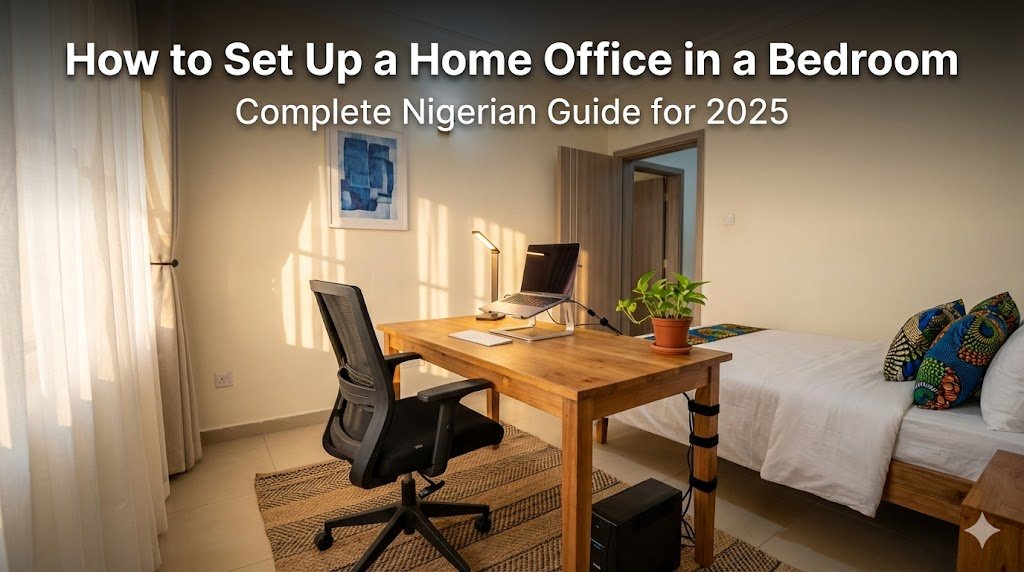
Finding yourself answering work emails from your bed? You’re not alone. Remote work is reshaping our cities—from Lagos to Abuja. According to KPMG Nigeria’s 2024 HR Outlook survey published by Paredam Plus, 57% of Nigerian businesses have adopted at least hybrid working arrangements, though only 22% have established long-term HR strategies to support this transition. Meanwhile, data from MyJobMag’s 2025 Remote Work Report shows that 17% of all Nigerian jobs are now fully remote—nearly double pre-pandemic levels—with Social Media Manager, Content Creator, and Product Manager dominating the remote job market. The demand is real, but let’s be honest: not everyone has a spare room.
If you live in a tight two-bedroom flat in Yaba or a self-contained apartment in Port Harcourt, space is a luxury. With remote work becoming standard across Nigerian cities, professionals need dedicated workspaces for balancing full-time work with side businesses without compromising productivity. Working from your duvet might feel comfy today, but back pain and accidental naps will soon prove you wrong.
This guide is about reclaiming your focus. Learning how to set up a home office in a bedroom is the game-changer you need. We will cover everything from handling NEPA blackouts to arranging furniture so you don’t feel like you’re sleeping in your office.
Can You Really Use Your Bedroom as a Home Office?
The short answer? Yes, absolutely. But you have to be smart about it.
Should your home office be in your bedroom? Ideally, no—separate rooms are better. But realistically, for many Nigerians, it is the only option. And it can work beautifully if managed right.
Many people worry that putting a desk in the bedroom will ruin their sleep. It’s a valid concern. Sleep hygiene experts at institutions like the Sleep Foundation emphasize that associating your bedroom with stress and deadlines can trigger insomnia. However, the bedroom is often the best room for a home office in a shared apartment because it offers privacy that the dining table just can’t match. It is the only room with a door you can lock against noise from the parlor, kids, or the generator humming outside.
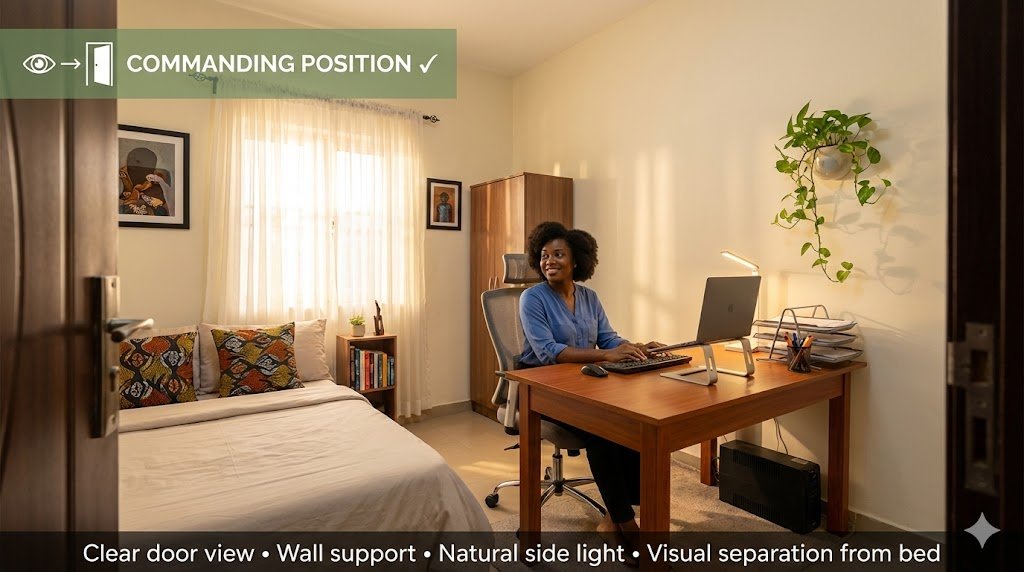
The trick isn’t the room itself; it’s the layout. The key to success isn’t the room itself—it’s maintaining clear work-life boundaries through strategic layout and daily shutdown rituals. According to interior design research from Building Practice Nigeria, effective dual-purpose rooms require “physical and psychological separation” to prevent sleep disruption. Position your desk away from your bed—ideally in the commanding position diagonally opposite the door—to create distinct mental zones for work and rest. A proper home office setup isn’t just about furniture—it’s about building professional confidence and taking your remote career seriously.
With the right small bedroom office ideas, you can create a “zone” that feels professional at 9 AM and disappears by 9 PM. I’ve done this in a small room in Surulere, and with the right setup, you won’t even notice the desk when it’s time to sleep.
Planning Your Bedroom Office: What You Need to Know First
Before you rush to Jumia or call your local carpenter, you need a plan. Skipping this step is why people end up with desks that block their wardrobe doors.
Assessing Your Available Space
Grab a tape measure. You need to know exactly how to arrange a home office layout without guessing. Before purchasing furniture, assess your space carefully. If you’re optimizing small apartment spaces in Nigerian cities, every centimeter counts.
- Minimum Space: You need a space of at least 100cm wide for a decent desk. According to OSHA’s Computer Workstation eTool, adequate desk depth (typically 60cm+) is critical to ensure the monitor is at least an arm’s length away to prevent eye strain.
- Clearance: Architectural standards for interior layouts recommend allowing at least 75-90cm of clearance behind the chair so you can slide out without hitting the bedframe.
Setting Your Budget (Nigerian Context)
Let’s talk Naira. You don’t need millions, but you do need a budget. Here is a breakdown of what you can expect to spend in 2025:
| Budget Level | Desk | Chair | Power Backup | Total Cost |
|---|---|---|---|---|
| Starter | Local wooden (₦35k) | Basic swivel (₦30k) | Surge protector (₦7k) | ₦75k – ₦100k |
| Mid-Range | Imported w/ drawers (₦90k) | Ergonomic mesh (₦120k) | 650VA UPS (₦45k) | ₦150k – ₦250k |
| Premium | Standing desk (₦200k+) | High-end ergonomic (₦150k+) | Inverter setup (₦80k+) | ₦300k+ |
Where to Buy in Nigeria: You don’t have to import everything. You can find affordable desks at Computer Village in Lagos (Otigba Street for electronics, nearby for furniture), Alaba International Market, or purchase online through Jumia and Konga with delivery typically within 3-7 days to major cities like Abuja, Port Harcourt, and Ibadan. For the best custom wooden desks, visit the local furniture markets in places like Yaba or roadside carpenters who can build to your specific dimensions.
Identifying Your Work Requirements
What do you actually do?
- Laptop only: You can get away with a shallow desk (50cm depth).
- Paperwork/Monitors: You need a deeper desk (60-70cm) so your nose isn’t touching the screen.
- Video Calls: You need a wall behind you (or a clean background), not your unmade bed.
Your bedroom office setup should support your ambitions. Whether you’re setting career goals for 2026 or building your freelance business, your workspace matters.
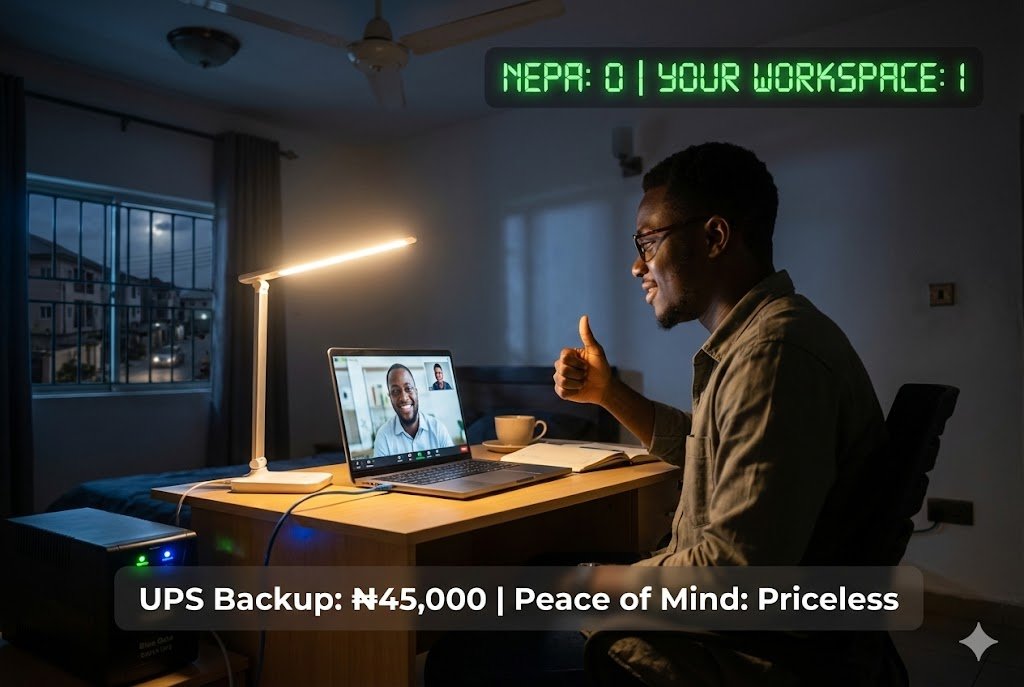
Don’t Forget Power: In Nigeria, power backup is part of the furniture. Do you have space under the desk for a UPS or an inverter battery box? Plan for this now.
How to Set Up a Home Office in a Bedroom: Complete Setup Process
This is the meat of the project. Here is exactly how to set up a home office in a bedroom step-by-step.
Separating Work and Sleep Zones
This is the most critical step for your mental health. You must physically separate where you dream from where you stress.
- The Golden Rule: Never position your desk so you are staring at your pillows while you work. It makes you sleepy.
- Visual Barriers: If you have the space, a simple folding screen works wonders. According to bedroom office design experts, using bookshelves as partitions ‘creates two distinct zones while still keeping the space cozy’ without requiring permanent structural changes. This is a perfect strategy for Nigerian single rooms where you need to maximize utility.
- Zoning: Use a small rug under your desk area. Psychological research on environmental cues suggests that creating distinct zones helps the brain switch contexts, signaling, “This square on the floor is for work.”
Optimal Desk Positioning: The Commanding Position Explained
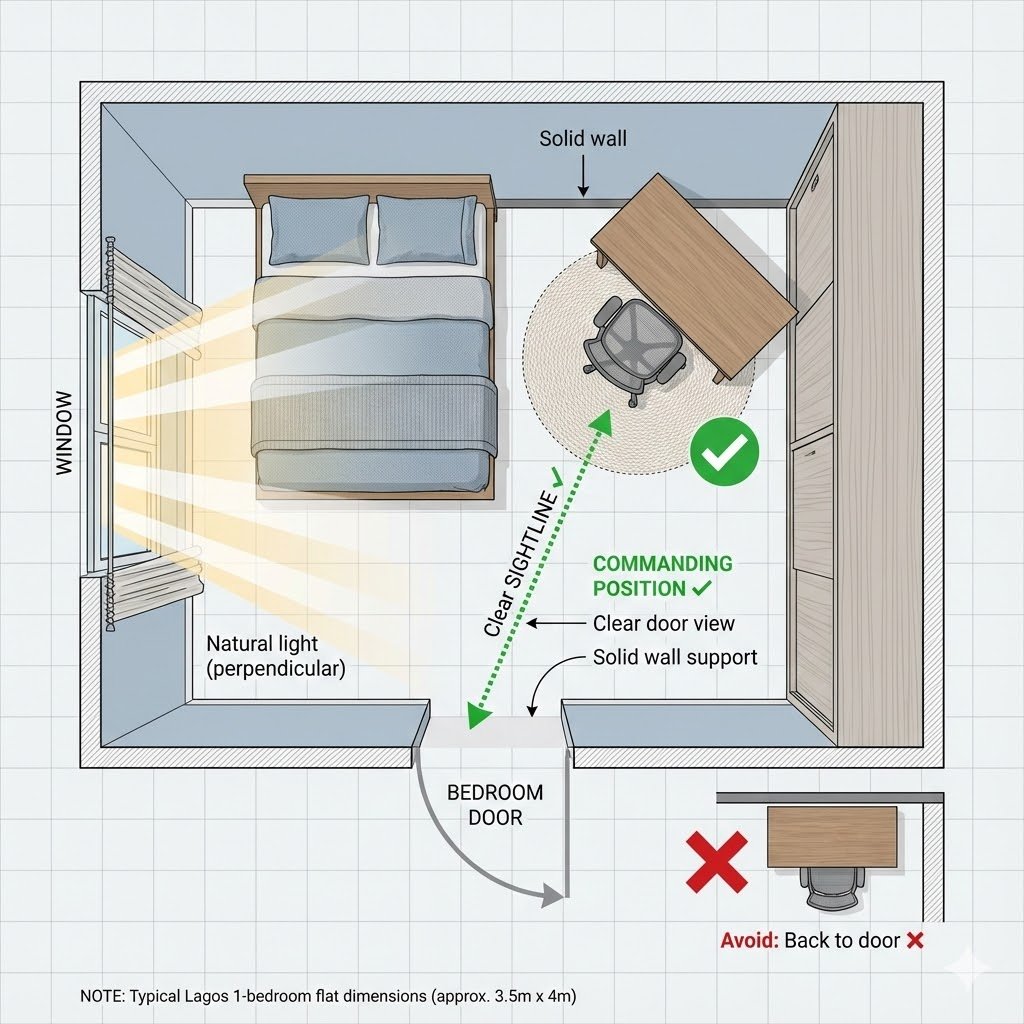
Where does the desk go? According to Feng Shui design principles documented by interior design experts, the ‘Commanding Position’ is essential for reducing anxiety.
How to feng shui a bedroom with a desk:
- Commanding Position: Position your desk diagonally opposite the door so you can see anyone entering, but you aren’t directly in line with the door “poison arrow.” Design psychology suggests this reduces the subconscious ‘startle response.’
- Back to the Wall: Sit with a solid wall behind you for support and stability. Avoid sitting with a window directly behind you (lack of support) or directly in front of you (distraction and glare).
- Element Balance: Introduce the ‘Wood’ element (rectangular desk, plants) for growth and ‘Earth’ element (ceramics, neutral colors) for stability.
Feng Shui Elements to Avoid in Bedroom Offices (What Feng Shui should NOT be in the bedroom?): According to traditional feng shui principles applied to modern workspaces, certain placements can disrupt both productivity and rest quality.
- The “Coffin Position”: Avoid positioning your desk directly in line with the bedroom door. This creates rushing energy that prevents focus.
- Overhead Beams: Never place your desk under an overhead beam, as this creates oppressive “cutting chi” that causes headaches and stress.
- Mirrors: Mirrors reflecting your desk or bed should be avoided, as they create restless energy that disrupts both concentration during work hours and sleep quality at night.
- Exposed Clutter: Keep work-related files and papers stored in closed cabinets rather than exposed, as visible work clutter generates mental anxiety that interferes with bedroom tranquility.
Choosing and Setting Up Your Desk
When looking for an ideal home office setup, size matters.
- Depth: Aim for at least 60cm deep. If you are buying a locally made desk, tell the carpenter you want “standard office depth,” not a dining console.
- Height: Standard ergonomic guidelines from occupational health authorities recommend a desk height of roughly 73-75cm for the average adult to maintain proper posture.
- Surface: Avoid glass desks. They look fancy but show every fingerprint and can feel cold. Wood or laminate is better for strict work.
- Specific Models: For a premium professional finish, the Actiu Ofimat Rectangular Desk 180×80 available through Alabamart Nigeria costs approximately ₦309,000. However, if you are managing a tighter budget, locally-made alternatives at Computer Village range from ₦35,000-₦75,000 depending on wood quality and finishing.
Ergonomic Seating Selection
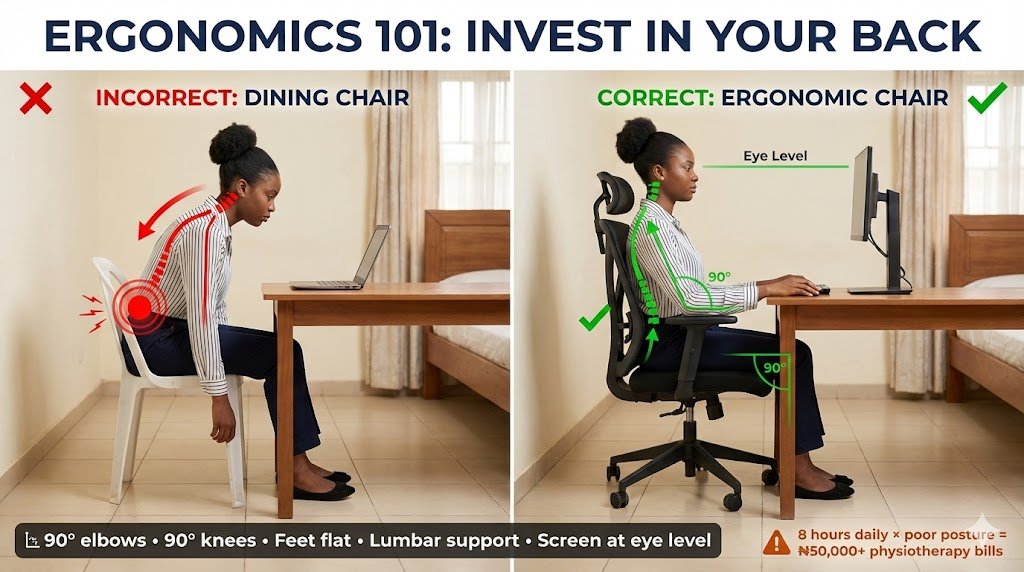
Please, I beg you—do not use a plastic party chair or your dining chair for 8 hours a day. Your back will punish you.
- Mesh is Best: For the Nigerian climate, a leather chair is a mistake unless you have 24/7 AC. You will sweat. Get a mesh-back ergonomic chair that lets air flow.
- Lumbar Support: Ensure the chair has a curve that supports your lower back.
- Adjustability: You should be able to move the seat up and down. Ergonomic studies consistently show that your feet should be flat on the floor with your knees at a 90-degree angle to prevent long-term strain.
- Where to Buy: Ergonomic office chairs with proper lumbar support are available at HOG Furniture Nigeria, with mesh-back models starting at ₦120,000 according to their 2025 catalog.
Lighting Your Workspace
Bad lighting causes headaches faster than a stressful boss.
- Natural Light: Position your desk so light hits your side, not your screen (glare) or your back (shadows).
- Task Lighting: Get a rechargeable LED desk lamp. This is crucial for when NEPA takes the light in the middle of a Zoom call. According to lighting design standards for home offices, your desk lamp should provide 500-750 lumens with a color temperature between 4000K-5000K (cool white/daylight). This replicates natural midday light, which research shows reduces eye strain by up to 60% compared to warm yellow lighting (2700K) commonly used in bedrooms.
Technology and Equipment Setup

Cable clutter makes a small room look messy.
- Cable Management: Ergonomic specialists at Autonomous.ai emphasize that effective cable management is crucial in small spaces to prevent tripping hazards and maintain visual calm. Use velcro ties or masking tape to bundle cords behind the desk leg.
- Dual Monitors: If you use two screens, Autonomous.ai suggests positioning the primary monitor directly in front of you and the secondary one at an angle to minimize neck rotation.
- The Nigerian Power Strip: Get a high-quality surge protector (like APC or Mercury). Do not plug expensive laptops directly into the wall socket; voltage spikes are real. Power backup isn’t optional in Nigeria. Learn more strategies for staying productive during NEPA outages beyond just purchasing a UPS.
- Generator Safety: If you rely on generator backup, proper cable management from your bedroom to the generator is essential. Check our guide on organizing your generator setup for safety and efficiency.
- Digital Tools: Beyond physical setup, your digital toolkit matters. Explore productivity apps that work offline to maintain workflow during internet disruptions.
- Monitor Height: Ergonomic best practices dictate that the top of your screen should be at or slightly below eye level to prevent neck strain. If you don’t have a fancy stand, a stack of books works perfectly.
Standing Desk Considerations and the 20-8-2 Rule
While standing desks remain expensive in Nigeria (₦150,000+ for motorized models), the health benefits justify the investment for professionals spending 8+ hours daily at their desk. Research from ergonomic health organizations recommends the “20-8-2 rule” for optimal posture variation: sit for 20 minutes, stand for 8 minutes, then move around for 2 minutes. This 30-minute cycle reduces back pain by approximately 32% compared to static sitting.
Budget Hack: For budget-conscious Nigerians, consider a laptop stand (₦5,000-₦15,000) that raises your computer to standing height. This allows you to alternate between sitting and standing positions throughout your workday without the cost of a full standing desk.
What is an Ideal Home Office Setup? (Summary)
Before we move to the environment, let’s summarize what is an ideal home office setup. An ideal setup is not just about furniture; it is an ecosystem that includes:
- Ergonomics: A chair supporting the lumbar spine and a monitor at eye level.
- Connectivity: Reliable internet and a dedicated UPS/Inverter power backup specific to Nigerian infrastructure.
- Lighting: A mix of natural light and cool-white task lighting (no shadows on the keyboard).
- Acoustics: Sound dampening (rugs/curtains) to minimize household noise.
- Separation: A distinct physical or visual boundary from the sleeping area.
How to Create a Productive Home Office That Actually Works
Now that the furniture is in, let’s make the space help you focus. Bedroom distractions multiply when work and rest share the same space. These strategies for overcoming procrastination while working from home can help maintain focus.
Color Psychology for Focus
If you are painting, avoid bright red (too angry) or dark grey (too depressing).
- Blue and Green: These are the best color for a home office. According to color psychology research in workplace design, blue tones stimulate the prefrontal cortex, improving focus duration by 15-20%, while green reduces eye strain through its position in the middle of the visible light spectrum. For Nigerian bedrooms where repainting may not be possible, introduce these colors through desk accessories, artwork, or a painted accent wall behind your workspace.
- Neutral: If you can’t paint, simple white or cream walls are fine, but add a pop of color with a piece of art or a desk mat.
Adding Plants and Biophilic Design
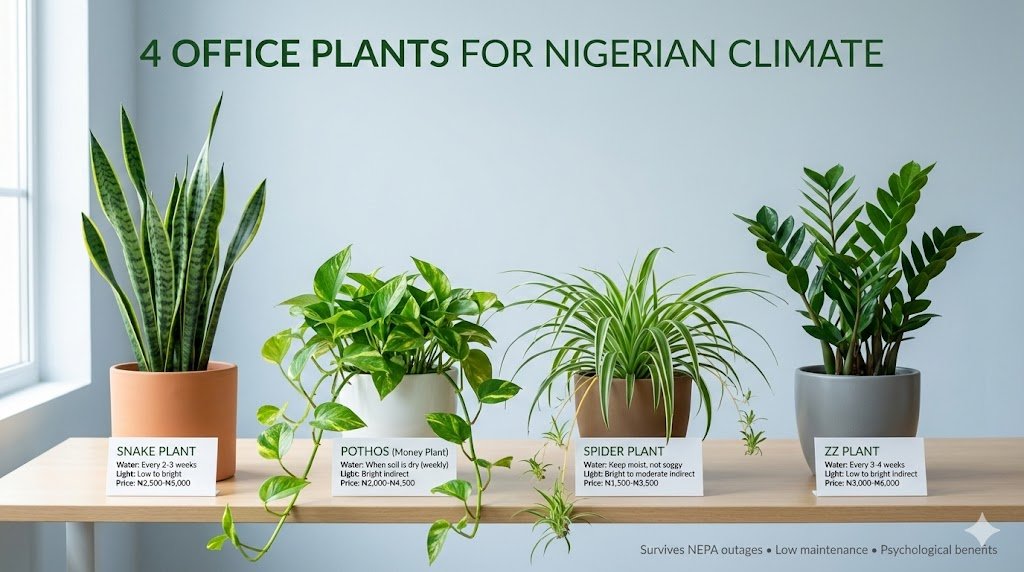
Biophilic Office Design Explained The term “biophilic design” refers to incorporating natural elements—plants, natural materials, water features, and nature views—into built environments to reduce stress and improve cognitive function. Studies show biophilic elements in offices reduce cortisol (stress hormone) levels by 12-15% and improve creative problem-solving by up to 20%. According to design insights from Building Practice Nigeria, “Studies have shown that incorporating natural elements into office spaces can reduce stress and improve focus.”
What Type of Plants Are Good for Office Spaces? Selecting the right plants for your bedroom office involves balancing Nigerian climate conditions with known psychological benefits and maintenance requirements.
According to the 1989 NASA Clean Air Study published through NASA’s Technical Reports Server, researchers tested common houseplants including Snake plant (Sansevieria trifasciata), Pothos (Epipremnum aureum), and Spider plant (Chlorophytum comosum) in sealed laboratory chambers. While these plants demonstrated ability to remove volatile organic compounds like formaldehyde and benzene, Wikipedia’s analysis of the study notes that ‘these results are not applicable to typical buildings’ where normal ventilation already removes VOCs at rates that would require placing 10-1,000 plants per square meter of floor space to match.
However, research published in the National Library of Medicine confirms that plants offer legitimate psychological benefits in office spaces, including stress reduction and improved wellbeing. For Nigerian bedroom offices, adding 2-3 low-maintenance plants creates a more pleasant work environment and adds visual interest, even if their air purification effects are modest in real-world conditions.
- Snake Plant (Sansevieria): Snake plants are particularly suitable for bedrooms because they tolerate low light and survive irregular watering schedules. Position larger plants like Snake plants in far-left desk corners (following feng shui prosperity principles).
- Pothos (Money Plant): Locally called “money plant,” Pothos ranks second for Nigerian office spaces due to its aggressive growth in indirect light. Research from biophilic office design experts shows that employees with visible greenery in their workspace report 15% higher wellbeing scores and 6% greater productivity. Hang Pothos from wall-mounted planters to utilize vertical space.
- Spider Plant: Spider plants (Chlorophytum comosum) thrive in Nigerian conditions and propagate easily—one plant becomes ten within months, allowing you to fill multiple corners without additional purchases.
- ZZ Plant: For low-light corners away from windows, ZZ plants (Zamioculcas zamiifolia) survive fluorescent lighting and irregular watering schedules.
Cost & Availability: Expect to spend ₦2,500-₦5,000 per plant at Nigerian garden centers in Ikeja, Wuse, or Port Harcourt, with online delivery through Jumia Garden adding ₦1,500-₦3,000 shipping costs.
Sound Management
Noise is a major distraction.
- Soft Surfaces: Rugs, curtains, and your bed actually help absorb sound, stopping that “echo” sound on calls.
- Headphones: Invest in noise-cancelling headphones. It’s the only way to block out the generator noise or the street sounds common in Nigerian neighborhoods.
Storage and Organization
In a bedroom, clutter is the enemy of sleep. As noted by the workplace design blog Spacetup, “In small bedroom settings, every inch counts, and utilizing vertical space is key.” Don’t just look at the floor; look up.
The 3 P’s for Maintaining a Clean Desk Desk organization experts teach the “3 P’s” system for maintaining productive workspaces: Purge, Prioritize, and Place.
- Purge: This means removing everything from your desk that doesn’t serve your current work. Remove old coffee cups, random papers, broken pens, and items you haven’t touched in a week. In a bedroom office where space is limited, purging becomes even more critical—clutter in your work area creates visual noise that disrupts both focus during the day and relaxation at night.
- Prioritize: This involves identifying which items you need within arm’s reach versus what can be stored away. According to productivity research, items used multiple times daily (keyboard, mouse, notebook, pens) should occupy your primary “reach zone” (within 40cm of your sitting position), while items used weekly (staplers, extra notebooks, chargers) belong in drawers or shelves behind you.
- Place: This means assigning every item a specific home location. Your stapler always returns to the same drawer, pens live in a specific holder, and documents file into designated folders. This system eliminates the productivity drain of searching for items—studies show the average worker spends 4.3 hours weekly looking for misplaced papers and supplies.
The 3 P’s system requires daily commitment. Follow these tips for maintaining organized spaces despite busy schedules.
The Nightly Ritual: For Nigerian bedroom offices, implement a nightly shutdown ritual applying the 3 P’s: purge your desk of the day’s clutter, prioritize tomorrow’s essential items by placing them centrally, and return everything else to its designated storage place. This takes 3-5 minutes but transforms your bedroom back into a restful space rather than leaving it feeling like a chaotic office overnight.
Avoiding Burnout: Managing Work and Sleep in the Same Space
This is the hardest part of having a workspace organization in your sleeping quarters. Start your workday with intention. Establishing productive morning routines helps create psychological separation between sleep and work mode.
The “Shutdown” Ritual When work is done, you must “close” the office.
- Shut down the laptop completely (don’t just close the lid).
- Tidy the papers.
- Cover It Up: If you can’t hide the desk behind a screen, consider throwing a nice piece of fabric over the monitor. It signals to your brain: “Work is finished. Now we relax.”
When work stress peaks in your bedroom office, having quick stress relief techniques prevents burnout and protects your mental health. Once Friday arrives, transform your bedroom back into a rest space. Planning stress-free weekends helps you fully disconnect from your workspace.
Don’t Work from Bed Keep the bed sacred. If you start bringing the laptop to the duvet, cognitive behavioral therapists warn that your brain will stop associating the bed with sleep, and insomnia will follow. Keep the work-life balance physical.
Solving Common Bedroom Office Challenges
One Bedroom Apartment Solutions
If you are asking how to have an office in a one bedroom apartment where space is tight:
- The Closet Office (Cloffice): Take the doors off a built-in wardrobe and slide a desk inside. When you’re done, hang a curtain to hide it.
- Floating Desk: Mount a desk directly to the wall. It has no legs, making the room feel bigger.
- Multifunctional Furniture: Guides on arranging single rooms in Nigeria by Mixta Africa suggest utilizing multifunctional furniture, such as beds with built-in storage or ottomans that can double as file storage, to make the most of limited square footage.
For single-room apartments, the cloffice concept or floating desks work brilliantly. Learn more about maximizing one-room apartment functionality.
Dealing with Nigerian Heat
Electronics generate heat. In a small bedroom, a PC tower and two monitors can raise the temperature by 2-3 degrees. Implement these cooling strategies for Nigerian homes without AC to maintain comfortable working temperatures.
- Ventilation: Ensure your desk isn’t blocking the airflow from your fan or AC.
- Laptop Stand: Use a stand to lift your laptop off the desk surface. It keeps the machine cooler and prevents the fan from roaring all day.
Your Complete Bedroom Office Setup Checklist
Save this list to keep yourself on track.
- [ ] Measure the space (Width, Depth, and distance from power outlet).
- [ ] Check the internet signal in that corner (Is the WiFi strong there?).
- [ ] Buy a surge protector (Essential for Nigeria).
- [ ] Select a desk (Min 100cm width).
- [ ] Get an ergonomic chair (Mesh back preferred).
- [ ] Install lighting (Rechargeable LED lamp).
- [ ] Set up cable management (Velcro ties).
- [ ] Add a plant (Snake plant or Pothos).
- [ ] Create a “Do Not Disturb” signal for family members.
Real Budget Scenarios for Nigerian Professionals
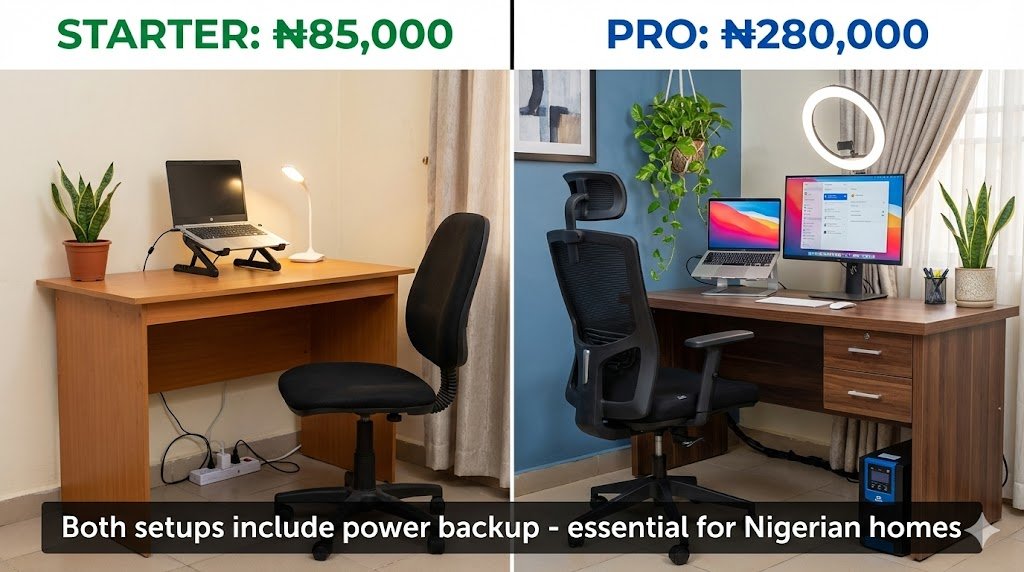
Here is what this actually looks like in Naira (Estimates based on 2025 market rates).
The “Starter” Setup (Approx ₦85,000)
- Simple wooden desk: ₦35,000 (Local carpenter in Alaba Market, Computer Village Lagos, or Wuse Market Abuja)
- Basic swivel chair: ₦30,000 (Tejuosho Market, Yaba or local furniture markets)
- Laptop stand (Plastic): ₦5,000 (Jumia, Konga, or street vendors in Ikeja)
- Rechargeable lamp: ₦8,000 (Shoprite, Spar, or electrical stores)
- Extension box: ₦7,000 (Local electrical shops or Alaba International)
The “Pro” Setup (Approx ₦280,000)
- Wide desk with drawers: ₦90,000 (Imported options from HOG Furniture or major Jumia vendors)
- Ergonomic Mesh Chair: ₦120,000 (Specialized office stores in VI/Lekki or premium online retailers)
- 650VA UPS: ₦45,000 (Blue Gate/Mercury brands at Computer Village)
- Ring light + Webcam: ₦25,000 (Slot, Computer Village, or Jumia Tech)
7 Bedroom Office Mistakes That Kill Productivity
- Working from bed kills your posture and sleep hygiene. The temptation is real—your bed is right there, looking comfortable. But working from your mattress compresses your spine unnaturally and associates your sleep space with stress. Keep the bed sacred for rest only.
- Poor Lighting causes unnecessary fatigue. Relying only on the ceiling bulb casts a shadow on your work, forcing your eyes to strain. Invest in a dedicated task lamp to keep your focus sharp without the headache.
- Ignoring Ergonomics leads to chronic pain. Using a dining chair might save money now, but it will cost you more in physiotherapy bills later. A proper chair supports the natural S-curve of your spine during long work sessions.
- No Visual Separation blurs boundaries. If you can stare at your pillow while typing, your focus will drift to relaxation. Use a divider, a plant, or simply position your desk away from the bed to maintain that mental “firewall.”
- Clutter Accumulation destroys peace of mind. A messy desk in a bedroom makes the whole room feel dirty and stressful. Since this is your sanctuary for sleep, leaving piles of paper out overnight creates subconscious anxiety that affects rest.
- Inadequate Power Backup is a rookie error in Nigeria. There is nothing worse than the power cutting mid-save during a client call. A basic UPS is non-negotiable infrastructure, not a luxury.
- Wrong Desk Positioning stifles creativity. Facing a blank wall feels punishing and limits your perspective. Turn the desk around to face the room (the commanding position) or towards a window to open up your mental space.
Frequently Asked Questions About Bedroom Offices
Should Your Home Office Be in Your Bedroom?
As discussed earlier, while a separate room is ideal, a bedroom can be a highly effective workspace if you respect the zones. The key is physical separation—position your desk away from your bed, preferably on the opposite side or facing away from your sleeping area. If you struggle with insomnia, however, try to find a spot in the living room instead.
How Do You Fit a Desk in a Small Bedroom?
Use vertical space. A ladder desk (tall and thin) uses height rather than floor width. Alternatively, use a folding wall-desk that collapses flat when you aren’t working.
What is the Best Position for a Desk in a Bedroom?
The “Commanding Position” is best. This means you face the room (and usually the door) rather than a wall. It gives you a sense of control and opens up the space behind your monitor.
What Type of Plants Are Good for Office Spaces?
The best plants for Nigerian bedroom offices are Snake plants and Pothos, primarily for their psychological benefits and hardiness in our climate. While early studies suggested high air purification, we now know their main benefit is reducing stress and creating a calming visual environment. These species thrive in Lagos’s heat and humidity. Snake plants cost ₦2,500-₦5,000 at local nurseries and require watering only every 2-3 weeks.
What Is Biophilic Office Design?
Biophilic design means incorporating natural elements—plants, natural light, wooden materials, nature views—into office spaces to reduce stress and boost productivity. Research shows biophilic elements lower stress hormones by 12-15% and improve focus. For Nigerian bedroom offices, add 2-3 plants, position your desk near a window for natural light, and use wooden furniture instead of plastic to apply biophilic principles.
What Are the 3 P’s for Having a Clean Desk?
The 3 P’s are Purge (remove everything unnecessary), Prioritize (keep only daily-use items within reach), and Place (assign every item a specific home location). Apply these principles during your end-of-day shutdown ritual—purge clutter, prioritize tomorrow’s essentials, and place everything else in designated storage. This 5-minute routine prevents bedroom desk clutter from disrupting your sleep space.
What Is the 20-8-2 Rule for Standing Desks?
The 20-8-2 rule recommends sitting for 20 minutes, standing for 8 minutes, and moving around for 2 minutes in continuous 30-minute cycles throughout your workday. This pattern reduces back pain by 32% compared to static sitting. For Nigerians where standing desks cost ₦150,000+, use a laptop stand (₦5,000-₦15,000) to alternate between sitting and standing at your regular desk.
What Feng Shui Should Not Be in the Bedroom Office?
Avoid positioning your desk directly aligned with the bedroom door (creates rushing energy), placing desks under overhead beams (causes headaches and stress), or having mirrors reflecting your workspace or bed (disrupts concentration and sleep). Keep work files hidden in closed storage rather than exposed, as visible work clutter generates anxiety that interferes with bedroom tranquility according to feng shui principles.
How to Feng Shui a Bedroom with a Desk?
Position your desk in the commanding position (diagonally opposite the door with wall behind you and clear door view). Face your “success direction” based on your Kua number if you know it. Place a small plant in the far-left “wealth corner” of your desk. Use a desk lamp with warm light in the right-front corner to activate your “helpful people” sector. Avoid clutter accumulation, keep cords hidden, and maintain clear space under your desk for energy flow.
Conclusion
Setting up a productive home office in your bedroom doesn’t require a massive budget or a mansion in Lekki. It requires strategy. By respecting the boundary between sleep and work, choosing the right ergonomic furniture, and planning for our unique local challenges like power cuts, you can create a space that helps you hustle effectively.
With as little as ₦75,000, you can create a workspace that protects your back, preserves your sleep quality, and multiplies your productivity. Start this weekend by measuring your space and identifying your desk corner. Next week, visit Computer Village or browse Jumia to price your furniture options. Within two weeks, you can have a fully functional bedroom office that transforms your remote work experience. You’ve got this.
About Vibena
This guide was researched and written by the Vibena team, Nigerian lifestyle experts specializing in productivity, home organization, and wellness solutions tailored to Nigerian realities. Our writers have firsthand experience with remote work challenges in Lagos, Abuja, and Port Harcourt, testing furniture, power backup systems, and organizational strategies in real Nigerian homes.

Oladepo Babatunde (Prince Babatee Tunde) is a Computer Scientist, researcher, and professional content writer with a Higher National Diploma in Computer Science from Kwara State Polytechnic, Nigeria.
With a background in technology and a passion for clear communication, Babatunde specializes in creating thoroughly researched, reader-focused content on productivity, personal development, home living, and technology. Every article he writes is backed by extensive research and fact-checking to ensure readers receive accurate, actionable information.
As a freelance writer, he has helped brands and publications deliver content that educates, engages, and empowers their audiences. His mission at Vibena is simple: make complex topics easy to understand and help Nigerians live smarter, more productive lives.