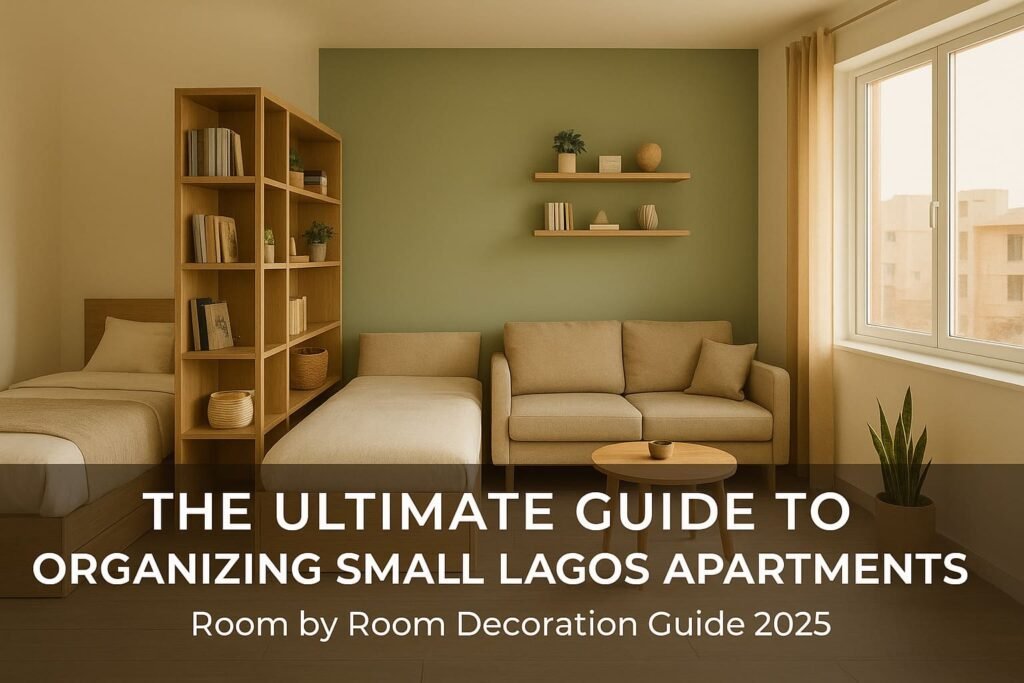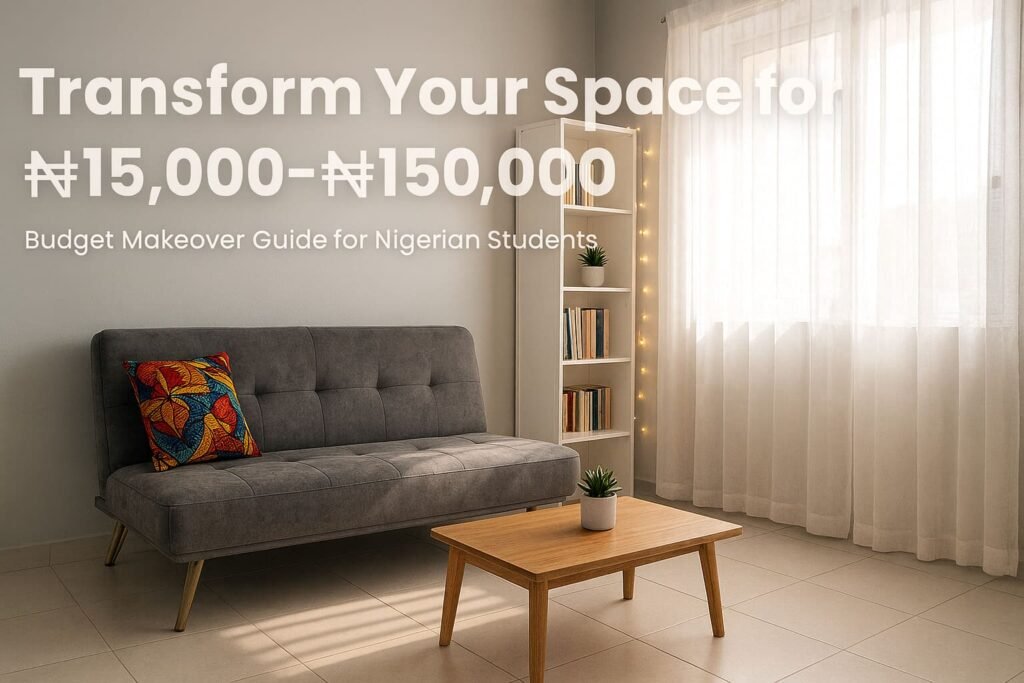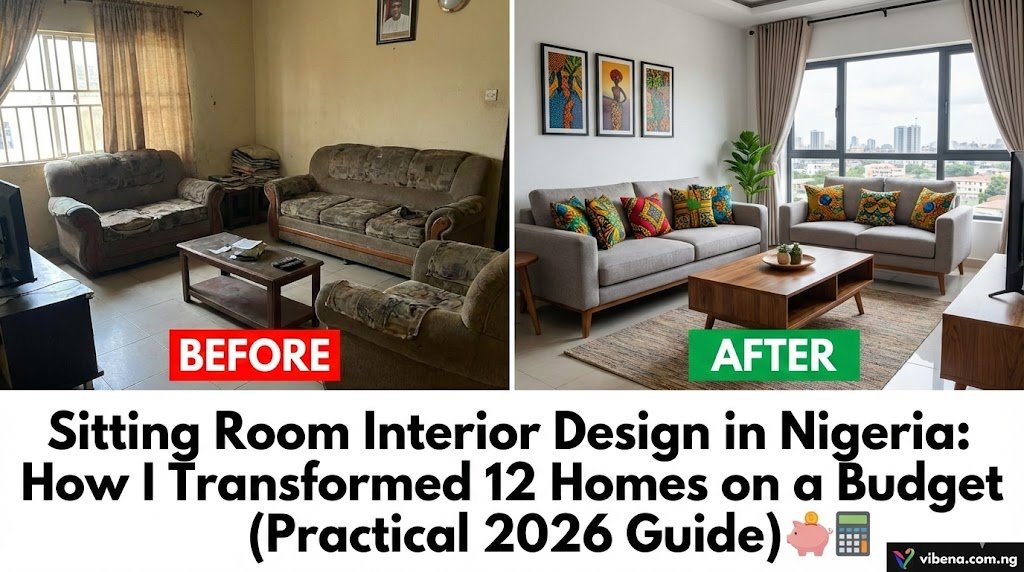
Your sitting room tells a story. It speaks before you do when guests walk through your door. It holds your family’s laughter, your quiet Sunday afternoons, and those moments when you finally collapse onto the sofa after surviving Lagos traffic.
I have spent the last six years helping Nigerian homeowners, from young professionals in Yaba to families in Abuja, create sitting rooms that actually work for their lives. Not spaces copied from Pinterest boards designed for London flats. Real spaces for real Nigerian homes. My approach combines the research skills I developed studying Computer Science at Kwara State Polytechnic with a genuine passion for helping people live better in their spaces. Every recommendation in this guide comes from hands-on experience and thorough fact-checking, because I believe Nigerians deserve accurate, actionable information, not recycled advice from foreign blogs.
This guide shares everything I have learned about sitting room interior design in Nigeria. You will find practical solutions for small apartments, budget-friendly ideas that cost less than you expect, and design principles that professional interior designers actually use. Whether you live in a self-contain in Surulere or a duplex in Lekki, these ideas will help you create a beautiful, functional space.
What Makes Nigerian Sitting Room Design Different?
Before we talk about furniture and colors, we need to address something important. Nigerian sitting rooms face challenges that international design blogs never mention.
Our climate is different. Harmattan dust, humidity during rainy season, and the reality of living without consistent air conditioning all affect design choices. That beautiful velvet sofa you saw on Instagram? It will trap heat and make you uncomfortable from February to November. I learned this lesson personally when I recommended a chenille-upholstered armchair to a client in Ikeja. Within three months, she called me frustrated because the fabric held heat terribly and attracted dust like a magnet. We ended up reupholstering it in breathable cotton blend, which cost her an additional ₦45,000. That mistake taught me to always consider our climate before aesthetics.
Our homes have different proportions. Most Nigerian apartments have smaller sitting rooms than Western homes. A standard self-contain might have a 3m x 4m living area. We need furniture that fits, not oversized sectionals designed for American McMansions. When I work with clients, the first thing I do is visit the space with a measuring tape and notebook. I document every dimension, photograph awkward corners, and note where natural light enters throughout the day. This process takes about two hours, but it prevents expensive mistakes later.
We use our spaces differently. Your sitting room might double as your home office during the day, transform into a children’s play area in the afternoon, and become an entertainment space when friends visit. Flexibility matters more here than in countries where every function has its own room.
Power considerations are real. Lighting design must account for NEPA taking light at the worst moment. You need options that work with generators, inverters, or natural daylight.
Understanding these realities shaped my entire approach to Nigerian interior design. Everything I recommend in this guide has been tested in actual Nigerian homes, during actual harmattan seasons, with actual power fluctuations. According to Black Pelican, the Nigeria interior design market is experiencing rapid growth, with local designers gaining recognition for creativity and unique cultural influences. This means more options for homeowners, but also more confusion about what actually works.
How Do I Make My Sitting Room Beautiful? A Step-by-Step Approach
Making your sitting room beautiful does not require hiring an expensive interior designer or importing furniture from Dubai. It requires intention, planning, and understanding what actually works.
Step 1: Clear the Clutter First
I cannot stress this enough. Before you buy a single item, remove everything that does not belong in your sitting room. That stack of JAMB forms from 2019? Gone. The exercise bike nobody uses? Find it another home.
Clutter is the silent killer of beautiful spaces. I once helped a client in Ikeja who wanted to completely redesign her sitting room. After we removed unnecessary items and organized what remained, she realized she did not need new furniture at all. The room was already spacious enough. It had just been drowning in accumulated stuff. We saved her over ₦400,000 that day simply by decluttering and rearranging what she already owned.
Start with three piles: keep, donate, and discard. Be ruthless. If you have not used something in two years, you probably never will. For more detailed guidance on this process, check out our guide on how to declutter quickly before moving, which works even if you are staying put.
Step 2: Measure Everything (Yes, Everything)
This is where most people make expensive mistakes. They fall in love with a sofa at a furniture store, buy it, and then discover it barely fits through their door. Or worse, it fits but leaves no room to walk around.
I learned this the hard way. Early in my design journey, I helped a friend purchase a gorgeous L-shaped sofa from a Lagos showroom. We got it home only to discover it blocked the pathway to the kitchen entirely. We had to sell it at a loss and start over. Another time, I ordered a beautiful center table online without checking its height. It arrived and was so low that guests kept bumping their knees on it. That table sat in storage for eight months before I found a client with lower sofas who could actually use it.
Grab a measuring tape and record:
- Room dimensions (length, width, ceiling height)
- Door widths (both entrance and interior)
- Window sizes and positions
- Location of electrical outlets and switches
- Any fixed elements like pillars or built-in shelves
Draw a simple floor plan. It does not need to be professional. Even a rough sketch on paper helps you visualize furniture placement before spending money. I typically create floor plans using free tools like Floorplanner or even just graph paper, and I walk clients through multiple layout options before any purchasing happens.
Step 3: Define Your Style (But Make It Practical)
Here is where personal preference meets Nigerian reality. You might love minimalist Scandinavian design, but pure white furniture in a dusty Lagos environment will make you miserable within weeks.
The most successful Nigerian sitting rooms I have designed blend multiple influences. According to It’s Nice That, Miracle Nwachukwu, Creative Director of MIMZ INTERIORS, describes his philosophy as creating “contemporary, simple, yet highly functional spaces” that reflect each client’s personality. This approach resonates with how I work. During initial consultations, I ask clients detailed questions about how they actually live: Do you host guests often? Do children play in this space? Do you work from home? These answers shape every recommendation.
Afrohemian Style combines African textiles, natural materials, and bohemian layering. Think Adire throw pillows, rattan furniture, and woven baskets as storage. It hides dust well, stays relevant for years, and celebrates Nigerian craftsmanship.
Modern Tropical uses clean lines with natural materials like bamboo, locally sourced wood, and indoor plants. It feels fresh without the maintenance headaches of ultra-modern designs.
Contemporary Nigerian Style mixes traditional elements like aso-oke table runners or bronze Benin-inspired artwork with modern furniture. According to Home Options Nigeria, this style uses warm, bold colours and includes local artwork and crafts to add a Nigerian touch while maintaining a fresh, elegant look.
Nigerian Minimalism strips away excess while maintaining warmth through carefully chosen statement pieces, natural textures, and a restrained color palette that still feels inviting rather than cold.
Nigerian Eclectic Style fearlessly combines different eras, cultures, and textures. A vintage wooden stool beside a modern sofa, traditional masks above contemporary shelving. As LightTrybe explains, this style rewards confident choices and tells a personal story through the harmonious combination of diverse elements.
Step 4: Create a Budget and Stick to It
This is where dreams meet reality. Be honest about what you can spend. Nigerian furniture prices have increased significantly in 2026, but beautiful rooms are still possible at every budget level. The Nigeria interior design market faces challenges including limited access to high-quality materials, unreliable supply chains, and inconsistent pricing. These realities affect what you can expect at each price point.
Here is a realistic breakdown of what a complete sitting room setup costs in Nigeria right now:
| Budget Level | Total Range | What You Get |
|---|---|---|
| Starter | ₦200,000 to ₦400,000 | Basic sofa set, local coffee table, minimal decor |
| Mid-Range | ₦500,000 to ₦1,200,000 | Quality sofa, proper lighting, coordinated decor |
| Premium | ₦1,500,000 to ₦3,000,000 | Custom furniture, imported pieces, professional touches |
| Luxury | ₦4,000,000+ | Designer pieces, full interior design service |
What should you expect at each level? At the starter budget, you will likely work with locally manufactured furniture that may require some assembly or minor quality compromises. The pieces function well but may not have the refined finishes of premium options. At the mid-range level, you can afford quality local brands with better craftsmanship, proper lighting fixtures, and coordinated textiles. The premium and luxury tiers open access to custom pieces, imported materials, and professional design services from firms like DO-II Designs or James Cubitt Interiors, where the Interior Designers Association of Nigeria’s current president Jacqueline Aki serves as managing partner.
For comprehensive guidance on furnishing your entire apartment within budget, our article on how to furnish a mini flat in Nigeria for under 500k breaks down exactly where to allocate your money.
Which Color Is Best for a Sitting Room in Nigeria?
Color transforms spaces faster than any other design element. The right palette makes a small room feel larger, a hot room feel cooler, and a generic apartment feel like a curated home.
Understanding Light in Nigerian Homes
Before choosing colors, observe how light moves through your sitting room. Nigerian sunlight is intense. North-facing rooms get softer, cooler light. West-facing rooms get harsh afternoon sun that can make warm colors feel overwhelming.
Most Nigerian apartments have smaller windows than homes in temperate climates. This affects everything. Dark colors that look sophisticated in a bright, window-filled London flat will make a typical Lagos apartment feel like a cave. I typically advise clients to observe their rooms at three different times: morning, midday, and evening. Take photos at each time. You will be surprised how different the same space looks under changing light conditions.
Colors That Work Well in Nigerian Sitting Rooms
Warm Neutrals remain the safest and most versatile choice. Think warm whites (not pure clinical white), creamy beiges, soft taupes, and sandy tones. These colors:
- Reflect light and make spaces feel larger
- Hide dust better than pure white
- Create a calm backdrop for colorful accents
- Stay relevant regardless of changing trends
When selecting paint, consider Nigerian brands like Proma Paint, which formulates products specifically for our climate conditions. Their finishes tend to handle humidity and temperature fluctuations better than some imported alternatives, and you support local manufacturing.
Earth Tones continue dominating in 2026. According to LightTrybe, contemporary Nigerian interiors often feature bold and warm color palettes with shades of terracotta, deep reds, earthy browns, and vibrant yellows balanced with neutral tones like whites and grays. Mocha mousse, olive-gray hybrids, soft clay, and terracotta rose work especially well in Nigerian homes because they connect to our natural environment and local materials.
Sage Green is gaining significant popularity in Nigerian interiors for 2026. This subdued green creates a calming atmosphere that connects indoor spaces with nature. It works particularly well in sitting rooms seeking a serene, spa-like feel. Pair sage green walls with warm wood tones and cream accents for a sophisticated look that does not feel trendy or dated.
Deep Accent Colors like navy blue, forest green, or burnt orange add personality when used strategically. I recommend limiting bold colors to one accent wall or key furniture pieces rather than painting entire rooms.
Colors to Approach with Caution
Pure White Walls show every fingerprint, scuff mark, and dust particle. In a country where harmattan is a yearly reality, maintaining pure white requires constant repainting. Choose off-white or cream instead.
Very Dark Colors on All Walls can work in large, well-lit spaces but tend to make typical Nigerian apartments feel cramped and stuffy.
Trendy Colors like specific designer shades might feel dated within two years. Stick with timeless bases and add trendy colors through easily changeable items like cushions and artwork.
What Colors Make a Room Look Bigger?
Small sitting room? Light colors are your friend. The eye perceives light-colored surfaces as farther away than dark ones. To maximize the sense of space:
- Paint walls, ceiling, and trim the same light color to blur boundaries
- Choose furniture in similar tones to the walls
- Add mirrors to reflect light and create depth
- Use a single color family throughout rather than high-contrast combinations
A client’s 10-square-meter sitting room in a Yaba self-contain looked twice its size after we painted the walls soft gray-white and chose a light gray sofa. The lack of visual interruption tricks the brain into perceiving more space. She was skeptical at first because she wanted “more color,” but after seeing the result, she understood why restraint works in small spaces.
Small Sitting Room Interior Design in Nigeria: Real Solutions That Work
Let me be honest. Most Nigerian homes have small sitting rooms. This is not a limitation to work around. It is simply the reality we design for. And honestly? Some of the most beautiful, functional spaces I have created have been under 15 square meters.
Furniture Choices for Compact Spaces
Modular Sofas have become increasingly popular, and for good reason. Intelligent modularity defines 2026 interiors. In Nigerian contexts, this means choosing sofa sections you can rearrange for different purposes or even move to another room if needed.
According to the design experts at DO-II Designs, a Lagos-based interior design firm, crafting timeless designs that resonate with clients requires balancing style with functionality, especially in compact Nigerian living spaces.
Low-Profile Furniture makes rooms feel taller. When I helped my cousin redesign her 12-square-meter sitting room in Surulere, switching from a bulky traditional sofa set to a low-profile modern sofa opened up the entire space visually. The difference was immediate. Her visitors started commenting that the room felt “bigger somehow,” even though we had not changed the actual dimensions at all.
Multi-Functional Pieces are non-negotiable in small spaces. Look for:
- Ottoman tables with hidden storage
- Sofa beds for hosting guests
- Nesting side tables that tuck away when not needed
- Wall-mounted shelves instead of bulky entertainment centers
Taeillo Nigeria offers several space-saving options designed specifically for Nigerian apartments, with pieces like their Temi Space Saver starting around ₦199,999 and compact sofas from ₦151,000. According to It’s Nice That, MIMZ INTERIORS takes a similar approach, with over 60% of their products being locally made, supporting Nigerian artisans while keeping costs reasonable.
For more specific guidance on maximizing small apartments, our detailed guide on one bedroom apartment design in Nigeria covers layout principles that apply to sitting rooms of all sizes.
Layout Strategies That Create Flow
Float Your Furniture instead of pushing everything against walls. This sounds counterintuitive in a small space, but pulling your sofa even 15 centimeters away from the wall creates visual breathing room and makes the space feel intentional rather than cramped. I resisted this advice myself for years. My first apartment had every piece of furniture shoved against the walls. When I finally tried floating my sofa, I was shocked by how much more spacious and sophisticated the room felt.
Create Clear Pathways at least 60 centimeters wide for walking. If guests have to squeeze between furniture, the room feels smaller regardless of actual dimensions.
Use Vertical Space when floor space is limited. Tall bookshelves, high-mounted wall art, and floor-to-ceiling curtains draw the eye upward and emphasize ceiling height.
The Illusion of Space
Strategic placement of mirrors remains the most effective way to visually double your space. Position a large mirror to reflect a window, and your sitting room gains perceived depth and borrowed daylight.
Light, leggy furniture (pieces with visible legs rather than pieces that sit directly on the floor) allows visual flow underneath, making the floor area seem larger. That gorgeous velvet sofa with the solid base? Beautiful, but it will make your small room feel stuffed.
Modern Sitting Room Interior Design in Nigeria: 2026 Trends
Design trends come and go, but some emerging directions feel particularly relevant for Nigerian homes right now. Here is what I am seeing in the most stylish Nigerian sitting rooms this year.
Modern Nigerian Sitting Room Furniture Trends: Curves Replacing Straight Lines
The rigid, angular furniture that dominated the past decade is giving way to softer shapes. Sculptural sofas with rounded edges, circular coffee tables, and arched doorway treatments are appearing in fashionable Lagos homes.
This shift works beautifully in Nigerian spaces because curved furniture often has smaller footprints than angular pieces while feeling more inviting. A round coffee table, for instance, has no sharp corners to bump into in tight spaces and creates better conversation flow than rectangular alternatives.
Nigerian Sitting Room Wood Trends: Darker Tones in 2026
After years of bleached oak and light pine, richer wood tones are returning. Walnut finishes, warm-tone oak, and deep mahogany are replacing the pale Scandinavian aesthetic. This suits Nigerian design traditions well, as we have always appreciated the warmth of darker woods.
Ezeja Furniture specializes in solid wood pieces that embrace these richer tones, with living room sets crafted from quality hardwoods.
Chrome and Silver Accents Return
Brass and gold dominated recent years, but refined chrome and silver finishes are making a sophisticated comeback as accent materials. I have started incorporating silver-finished lamp bases and chrome-legged side tables into my designs. They pair beautifully with the darker wood tones trending now.
Defined Spaces Within Open Plans
Even in small Nigerian apartments, homeowners want distinct zones. Modular furniture, strategic rug placement, and varied lighting create defined areas within single rooms. Your sitting room can include a clear conversation zone, a work corner, and a relaxation nook without walls separating them.
Invisible Technology Integration
Nigerian sitting rooms in 2026 are hiding their tech. Wall-mounted TVs with concealed cables, wireless charging surfaces built into side tables, and discreet speaker systems are replacing the bulky entertainment centers of previous decades. The goal is convenience without visual clutter.
For homes with inverter systems, smart power management that automatically switches between PHCN, inverter, and generator adds convenience without requiring visible control panels cluttering your walls. Several Nigerian electricians now specialize in these installations, with full setups costing between ₦150,000 and ₦400,000 depending on complexity. The technology integration trend extends beyond entertainment. Smart lighting systems that dim automatically, voice-controlled blinds, and energy-efficient appliances are becoming more prevalent in the Nigerian interior design market.
Quiet Luxury Materials
The “quiet luxury” aesthetic emphasizes quality over logos, subtlety over statement. In Nigerian sitting rooms, this translates to specific material choices: honed marble instead of glossy stone, smoked oak with visible grain, handwoven textiles from local artisans, applied microcement in warm neutrals, and patinated metal accents that look aged rather than shiny.
Bouclé and chenille fabrics are appearing in higher-end Nigerian homes, though I recommend these only for air-conditioned spaces due to their heat-trapping properties. For most Nigerian sitting rooms, tightly woven cotton or quality leather delivers the luxury feel without the discomfort.
Biophilic Design: Bringing Nature Into Nigerian Living Spaces
One of the most significant shifts in Nigerian interior design involves connecting indoor spaces with nature. This approach, called biophilic design, goes far beyond simply adding a potted plant to a corner.
Why Biophilic Design Matters in Nigeria
Nigerian urban life can feel disconnected from nature. Traffic, concrete, and air conditioning create artificial environments. Biophilic design counters this by introducing natural elements that reduce stress, improve air quality, and create more rejuvenating spaces. According to Black Pelican, the Nigeria interior design market is experiencing a shift towards more sustainable and eco-friendly designs, with growing emphasis on natural materials and green building practices. Nigerians are embracing bamboo, reclaimed wood, natural stone, and recycled metals for their eco-friendly and cost-effective benefits.
I noticed this effect dramatically when working with a client in Victoria Island. Her apartment felt sterile despite expensive furniture. After introducing a living wall of pothos and philodendrons, plus natural materials throughout, she reported sleeping better and feeling calmer at home. The transformation cost under ₦80,000 for plants and planters but changed how she experienced her entire apartment.
Implementing Biophilic Design Practically
Indoor Plants form the foundation. Start with low-maintenance species that thrive in Nigerian conditions: snake plants, ZZ plants, pothos, and peace lilies tolerate irregular watering and varying light levels. Our comprehensive guide on houseplant styling covers species selection and placement strategies.
Natural Materials extend the connection. Rattan furniture, bamboo blinds, jute rugs, and wooden accessories bring organic textures indoors. These materials also handle Nigerian humidity better than many synthetic alternatives. According to It’s Nice That, collaborations between local artisans and designers are gaining traction, contributing to homegrown talent and craftsmanship in the industry.
Natural Light Optimization matters enormously. Keep pathways to windows clear. Use sheer curtains that filter rather than block sunlight. Position seating to take advantage of daylight.
Living Walls and Vertical Gardens work even in small spaces. A simple trellis with climbing pothos creates a green focal point without consuming floor space.
Sensory Design: Beyond Visual Appeal
Your sitting room should engage more than just your eyes. Sensory design considers how spaces feel, sound, and even smell, creating environments that comfort on multiple levels.
Sound Management in Nigerian Apartments
Urban Nigerian living comes with noise challenges: generators, traffic, neighbors, and the general bustle of city life. Thoughtful design can significantly reduce noise intrusion. What many people do not realize is that acoustic comfort directly affects how relaxed you feel in a space, even if you cannot consciously identify noise as the problem.
Sound-Absorbing Materials make dramatic differences. Thick curtains absorb external noise far better than thin blinds. Quality rugs dampen footstep sounds and reduce echo. Upholstered furniture absorbs sound waves that hard surfaces would reflect.
For apartments near busy roads, acoustic panels disguised as decorative wall art provide substantial noise reduction. These come in various colors and patterns that integrate seamlessly with decor. I recently helped a client on Ozumba Mbadiwe Avenue in Victoria Island install fabric-wrapped acoustic panels as a “feature wall.” Visitors compliment the design without realizing its functional purpose.
Soft Furnishings do double duty. The throw pillows, blankets, and upholstered ottomans that make your sitting room visually cozy also reduce acoustic harshness.
Tactile Comfort
After years of advising clients, I have learned that rooms people actually enjoy spending time in share a common quality: they invite touch. Varied textures create sensory richness.
Combine smooth leather with nubby linen. Pair glossy ceramic accessories with matte wooden surfaces. Include at least one incredibly soft throw blanket. These variations make spaces feel alive rather than sterile.
Scent Considerations
While not strictly interior design, scent affects how spaces feel. Subtle fragrance through quality candles, diffusers with essential oils, or fresh flowers adds another comfort layer. Avoid overpowering artificial air fresheners that can feel cheap and cause headaches. Our guide on eco-friendly ways to make your house smell good covers natural options.
Sitting Room Interior Design Images: Visualizing Nigerian Spaces
Since I cannot show you photographs directly, let me paint detailed pictures of Nigerian sitting room styles that might inspire your own space.
The Modern Lagos Apartment
Picture a 16-square-meter sitting room in a Lekki apartment. Walls painted in warm cream with one accent wall in deep forest green. A low-profile L-shaped sofa in charcoal gray fabric faces floor-to-ceiling windows dressed in sheer white curtains.
A round brass coffee table sits on a geometric-patterned rug in cream and forest green. Three Adire-print cushions in indigo and white break up the gray sofa. A tall fiddle leaf fig stands in the corner, reaching toward the ceiling.
The TV mounts flush against the green wall, with floating wooden shelves on either side holding books, a small sculpture, and trailing pothos plants. Recessed lighting provides ambient illumination, while a brass floor lamp beside the sofa offers reading light. No visible cables anywhere. The overall effect feels curated but livable.
The Contemporary Abuja Family Room
Imagine a larger sitting room in an Abuja duplex. Double-height ceilings with a statement chandelier featuring woven natural fibers. Walls in soft terracotta that catches the evening light beautifully.
A curved sofa in camel leather anchors the space, facing a decorative fireplace. Traditional Benin bronze-style masks flank the fireplace, while a large abstract painting in earth tones hangs above.
A solid walnut coffee table with rounded edges sits on a hand-woven jute rug. Accent chairs in cream bouclé fabric provide additional seating. Built-in shelving displays a mix of books, pottery, and family photographs. The space feels sophisticated but warm, expensive but not showy.
The Budget-Friendly Yaba Transformation
Consider a compact 10-square-meter sitting room in a Yaba self-contain, transformed on a ₦300,000 budget. Walls repainted in soft off-white to maximize light from the single window.
A second-hand sofa, professionally reupholstered in durable navy blue fabric (reupholstering cost ₦65,000), faces the window. Thrifted side tables, sanded and stained dark walnut, hold matching ceramic lamps with warm-white LED bulbs.
Market-sourced Ankara fabric transformed into cushion covers adds pattern and color for under ₦15,000 total. A simple woven mat defines the seating area on the terrazzo floor. Three floating shelves hold books and a collection of small plants in terracotta pots.
The entire space feels intentional and cohesive despite its modest budget. Proof that beautiful design does not require deep pockets.
Pinterest Living Room Ideas: Adapting Global Trends for Nigeria
Pinterest offers endless inspiration, but not every trending idea translates well to Nigerian contexts. Here is how to filter global trends through a Nigerian lens.
What Works From Pinterest
Warm, Earthy Color Palettes translate beautifully. The terracottas, sage greens, and warm neutrals dominating Pinterest feeds suit Nigerian interiors perfectly. These colors handle our strong sunlight well and create welcoming atmospheres.
Textural Layering adapts easily. The Pinterest trend of mixing materials, combining wood with metal, fabric with leather, rough with smooth, works in any climate and budget level.
Indoor Plants Everywhere makes perfect sense here. Many trending houseplants actually originate from tropical climates similar to Nigeria. Monstera, pothos, and philodendrons thrive in our conditions with minimal fuss.
Statement Lighting translates well, though you must ensure fixtures work with your inverter or generator setup. That gorgeous pendant light means nothing if it only works sporadically.
What Needs Adaptation
All-White Interiors require modification. Pinterest loves stark white spaces, but Nigerian dust, foot traffic, and lifestyle make pure white impractical. Adapt by choosing warm off-whites, creams, and light grays that photograph similarly but maintain better in our environment.
Delicate Fabrics need reconsideration. That gorgeous linen sofa might work in air-conditioned, dust-free environments but will show wear quickly in typical Nigerian conditions. Choose durable cotton blends or quality leather instead.
Oversized Furniture often needs scaling down. American and European homes typically have larger rooms than Nigerian apartments. Look at proportions in Pinterest images and mentally resize for your space.
Trending Styles Worth Exploring
NeoDeco style brings glamorous brass aesthetics and statement pendant lamps into contemporary spaces. This works beautifully in Nigerian sitting rooms, especially when balanced with warm woods and natural textures.
The “FunHaus” aesthetic features bold patterns including striped ceilings. While dramatic striped ceilings may be too much for most Nigerian spaces, you can incorporate this playfulness through patterned rugs, bold cushions, or a single statement chair.
“Extra Celestial” design emphasizes opalescent finishes and orb shapes. Incorporate this subtly through a spherical lamp, round mirror, or iridescent decorative bowl rather than committing to a full room makeover.
Nigerian Accounts Worth Following
For Nigeria-specific inspiration, search Pinterest and Instagram for hashtags like #NigerianInteriors, #LagosHomes, and #AfricanInteriorDesign. Follow accounts from designers like those at MIMZ INTERIORS (@mimzinteriors) and James Cubitt Interiors for work already adapted to our climate, culture, and lifestyle.
What Is the 3-5-7 Rule of Decorating?
The 3-5-7 rule states that decorative items should be grouped in odd numbers, specifically three, five, or seven pieces. Odd-numbered groupings create visual interest and asymmetry that the eye finds naturally appealing, while even numbers feel static and predictable.
Apply this rule when styling:
- Coffee table arrangements (three books, a plant, and a decorative bowl)
- Shelf displays (five objects of varying heights)
- Wall art groupings (three frames in a horizontal line or asymmetrical cluster)
- Cushion arrangements (three or five on a sofa, not two or four)
I discovered this rule dramatically improved my own shelf styling. Before, my bookshelf looked cluttered and random. Regrouping items into collections of three and five created immediate visual order without requiring any new purchases.
What Is the 3-4-5 Rule in Interior Design?
The 3-4-5 rule creates visual harmony through proportion. In any room, limit yourself to:
- Three colors maximum (one dominant, one secondary, one accent)
- Four patterns maximum (prevent visual chaos)
- Five materials maximum (maintain cohesion)
This framework prevents the overwhelmed, “too much going on” feeling that plagues many spaces. It forces intentional choices rather than accumulating random pieces over time.
In practice, a Nigerian sitting room following this rule might include:
- Colors: Cream walls (dominant), terracotta sofa (secondary), forest green cushions (accent)
- Patterns: Solid sofa, striped curtains, geometric rug, botanical print artwork
- Materials: Wood furniture, cotton upholstery, woven basket storage, brass lamp, ceramic vases
What Are the 7 Basics of Interior Design?
Understanding these principles transforms decorating from guesswork into a learnable skill:
- Space refers to the actual room dimensions and how furniture occupies it. Leave negative space (empty areas) to prevent claustrophobia.
- Line creates visual movement. Horizontal lines (low furniture, wide shelves) make spaces feel wider. Vertical lines (tall lamps, floor-to-ceiling curtains) emphasize height.
- Form describes the shape of objects. Mix angular and curved forms for visual interest. An angular sofa balanced by a round coffee table creates better composition than all angular or all curved pieces.
- Light is arguably the most important element. Layer natural light, ambient lighting (overhead), task lighting (reading lamps), and accent lighting (decorative) for a complete scheme.
- Color influences mood and perceived space. We covered this extensively above.
- Texture adds depth and interest. Smooth leather, nubby linen, glossy ceramics, and matte wood create a richer sensory experience than single-texture spaces.
- Pattern introduces visual rhythm. Use the scale-mixing principles mentioned earlier.
What Are the 3 E’s of Interior Design?
The 3 E’s provide a quick framework for evaluating any design decision:
Efficiency asks whether the space works well for its intended purpose. Can you navigate easily? Is frequently used furniture accessible? Do traffic patterns make sense?
Economy considers budget and value. Does this purchase justify its cost? Will it last? Could you achieve a similar effect for less?
Expression addresses personal style and meaning. Does this space reflect who you are? Does it make you feel good? Would you be proud to show it to visitors?
Every design choice should satisfy at least two of these criteria. Ideally, all three.
How to Decorate Living Room with Simple Things
You do not need expensive furniture to create a beautiful sitting room. Some of the most impactful improvements cost almost nothing.
Budget-Friendly Ideas Under ₦50,000
Rearrange Existing Furniture before buying anything new. Sometimes a different configuration transforms a space completely. Try floating your sofa away from the wall, creating a defined conversation area, or repositioning to take advantage of natural light. This costs nothing but time.
Add Textile Layers through affordable throw pillows, blankets, and rugs. Markets like Balogun in Lagos, Wuse Market in Abuja, and Ariaria in Aba sell beautiful fabrics for ₦2,000 to ₦8,000 per yard. Mama Chidi’s fabric stall at Balogun Market (ask for her in the ground floor textile section) has exceptional Ankara prints at ₦2,500 per yard. A skilled tailor can create custom cushion covers for ₦800 to ₦1,500 each.
Introduce Plants as instant life and color. A mature snake plant from a Lagos nursery costs ₦5,000 to ₦12,000 and requires almost no maintenance. Propagate pothos cuttings for free from a friend’s plant.
Create a Gallery Wall using printed photos, pages from magazines, or fabric swatches in inexpensive frames. Simple frames cost ₦2,000 to ₦5,000 each on Jumia or at local shops.
Refresh with Paint on a single accent wall for ₦20,000 to ₦35,000 (paint plus painter). This single change can redefine an entire room. Use Proma Paint or CAP for best results in Nigerian humidity.
Thrift Store and Market Finds
Some of my favorite sitting room pieces came from thrift stores and local markets. That vintage brass tray on my coffee table? ₦3,500 at Yaba market. The woven basket I use for throw blanket storage? ₦5,000 from a woman selling them roadside in Lekki.
The challenge with thrifting is inconsistency. You might visit five times and find nothing, then discover three perfect pieces on your sixth visit. I keep a running list of items I am looking for and check markets whenever I am nearby rather than making dedicated trips that often disappoint.
Our guide on how to refresh your room using thrifted items covers the best places to hunt for quality secondhand pieces and how to spot items worth buying.
DIY Projects Worth Your Time
Painted Furniture transforms dated or mismatched pieces. That old center table you inherited? Sand it lightly, apply two coats of paint, and seal. Total cost under ₦15,000 for a completely new look.
Handmade Curtains from market fabric cost a fraction of ready-made options. A simple rod-pocket style requires minimal sewing skill. Even simpler, use curtain clips to hang unhemmed fabric panels.
Customized Lampshades with leftover fabric or wallpaper samples add personality to generic lamps.
Where to Buy Sitting Room Furniture in Nigeria
One gap in many interior design guides is specific purchasing recommendations. Here is where I actually buy furniture and decor for my clients and personal projects.
Online Stores
Jumia and Konga remain reliable for mid-range furniture with delivery across Nigeria. Quality varies, so read reviews carefully and check return policies before purchasing.
Taeillo Nigeria offers contemporary furniture designed specifically for Nigerian homes. Their price range suits mid-range budgets, with sofas starting around ₦150,000 and tables from ₦40,000.
Bedmate Furniture caters to the premium segment with sofa sets ranging from ₦880,000 to over ₦9,000,000. Their pieces lean toward classical and luxury styles.
DecorhubNG provides good quality living room furniture with nationwide delivery for orders above ₦30,000.
Physical Showrooms
Lagos:
- DO-II Designs offers full interior design services alongside furniture
- MIMZ HOMES (sister company to MIMZ INTERIORS) provides direct access to furniture, lighting, planters, and accessories used in their design projects
- Timothy Oulton on Victoria Island represents luxury international design (expect premium prices)
- CMC Interiors and Furniture provides custom sofas and bedroom furniture
- Arena Market and Alaba International Market offer budget options requiring negotiation skills
Abuja:
- Idea Home Design has showrooms with contemporary and classical options
- EmySharp Furniture in Abuja specializes in classical luxury Italian furniture
- TheShowroom Nigeria offers premium furniture with elegant designs
Port Harcourt:
- Oil Mill Market provides budget furniture options
- Several furniture clusters along Stadium Road offer local manufacturing
Artisan and Craft Sources
54kibo curates African luxury home decor including items from Nigerian artisans. Their pieces work beautifully as accent items: throw pillows, light fixtures, and decorative objects that add cultural character.
According to It’s Nice That, Nigerian furniture designers like Nifemi Marcus-Bello, Tolu Coker, and Zoë Chinaka are creating pieces that center Nigerian cultural symbols while maintaining modern functionality. Tolu Coker’s Zangbeto side table reinterprets the spiritual symbolism of the Zangbeto masquerade, while Zoë Chinaka’s IO stool is shaped like a kola nut with perforated motifs. These designers represent the growing movement of Nigerian creatives making culturally significant furniture.
Local Craft Markets in each major city offer authentic Nigerian decor. Lekki Arts and Crafts Market in Lagos, Wuse Market’s craft section in Abuja, and various local markets feature handmade items from local artisans. The demand for personalized and unique designs is driving the need for custom furniture and bespoke decor pieces, and collaborations between local artisans and designers are gaining traction.
Sitting Room Interior Design for Nigerian Climate
Designing for Nigerian conditions requires specific considerations that international design advice ignores.
Beating the Heat
Most Nigerian homes are hot for significant portions of the year. Beyond air conditioning (which depends on reliable power), design choices can help:
Choose Breathable Fabrics like cotton and linen over synthetic materials or velvet. Your sofa should not make you sweat.
Opt for Light-Colored Upholstery which reflects rather than absorbs heat. That gorgeous black leather sofa will brand your skin in March.
Incorporate Natural Ventilation by keeping pathways to windows clear. Do not block airflow with tall furniture placement.
Add Ceiling Fans that complement your decor. Modern designs have moved far beyond basic white fans. Wooden blade fans or matte black options look intentional rather than utilitarian.
Managing Harmattan Dust
Harmattan season turns every surface dusty within hours. Design choices that reduce cleaning burden:
Avoid Excessive Open Shelving that becomes dust collection stations. Closed storage keeps belongings cleaner.
Choose Textured or Patterned Fabrics that hide light dust better than solid colors. That is one reason traditional Nigerian textiles with their busy patterns remain practical choices.
Select Easy-Clean Surfaces for high-touch areas. Leather and faux leather wipe clean easily. Tightly woven fabrics resist dust penetration better than loose weaves.
Our seasonal guide on how to reduce dust in your house during harmattan covers additional strategies that complement good design choices.
Power Fluctuation Realities
Design lighting schemes assuming power will cut at inconvenient moments:
Invest in Quality Rechargeable Lights placed strategically around your sitting room. Modern rechargeable lamps look indistinguishable from plug-in options.
Maximize Natural Light through window treatments that allow daylight penetration. Heavy blackout curtains might look dramatic, but they make afternoons miserable when there is no electricity.
Position Seating Near Windows for reading and activities that require good light without depending on electricity.
Creating Zones in Multi-Purpose Sitting Rooms
Most Nigerian sitting rooms serve multiple functions. Creating distinct zones within a single space maintains order and functionality.
The Work Zone
If you work from home, dedicate a corner for productivity. A small desk, proper chair, and task lighting transform part of your sitting room into a functional office without requiring a separate room. My own sitting room includes a small work corner by the window. When I am writing research-heavy articles for Vibena, I need natural light and a proper workspace. But the desk blends into the overall design rather than making the room feel like an office.
Our detailed guide on how to set up a home office in a bedroom covers principles that apply equally to sitting room office corners.
The Relaxation Zone
This typically centers on your main seating arrangement. Position furniture to facilitate conversation (seats facing each other) or entertainment (seats facing the TV) depending on how you actually use the space.
The Transition Zone
Near the entrance, create a small area for arriving and departing. A console table for keys, hooks for bags, a mirror for final checks before leaving. This prevents personal items from spreading throughout the entire room.
Use rugs to define zones visually. A rug under your seating arrangement separates it psychologically from other areas. Different lighting fixtures also signal different zones.
Cultural Art Integration: Making Your Space Uniquely Nigerian
One mistake I see often is decorating Nigerian homes with generic international art when rich local options exist. Integrating cultural elements creates spaces with genuine character and meaning.
Traditional Elements That Work in Modern Spaces
Intricately Crafted Sculptures serve as striking focal points. A single bronze Benin-style head on a modern console table bridges tradition and contemporary aesthetics powerfully.
Traditional Masks displayed as wall art bring history and craftsmanship into your space. Group three masks of varying sizes following the odd-number rule for maximum impact.
Indigenous Artwork from contemporary Nigerian artists adds cultural depth without feeling dated. Lagos, Abuja, and Port Harcourt all have galleries featuring modern African art at various price points. Design Week Lagos, held annually, showcases remarkable achievements of Africa’s architects, interior designers, and product creators while celebrating locally-made furniture and product designs that blur the line between functionality and sculpture.
According to Safiya Yahaya, African design is synonymous with bold geometric patterns. Traditional textiles such as mud cloth (Bogolanfini) from Mali, kente cloth from Ghana, and kuba cloth from the Democratic Republic of Congo showcase strong linear designs, symmetrical forms, and deep symbolic meanings. Modern designers are incorporating these patterns in wallpapers, throw pillows, rugs, and accent chairs to create visually striking spaces.
Handwoven Textiles like aso-oke can become framed art, cushion covers, or table runners. A single beautiful textile piece can anchor an entire room’s color scheme.
Balancing Traditional and Modern
The key is restraint. One or two significant cultural pieces make a statement. Filling every surface with artifacts creates a museum rather than a home.
Choose pieces that genuinely resonate with you rather than items that simply look “African.” Authenticity reads better than performance.
How Do I Start Interior Designing for Beginners?
If you have read this far and feel overwhelmed, remember that everyone starts somewhere. Professional interior designers were once beginners too.
Start with One Room
Do not try to redesign your entire home simultaneously. Master your sitting room first. Apply what you learn here before moving to other spaces.
Collect Inspiration Intentionally
Create a folder (physical or digital) of spaces you love. Over time, patterns will emerge. You might notice you always save rooms with plants, or warm wood tones, or colorful textiles. These patterns reveal your personal style more accurately than any quiz.
Make Reversible Changes First
Before committing to expensive furniture or permanent alterations, experiment with temporary changes. Rearrange what you have. Add throw pillows. Hang artwork using removable strips. Live with these changes before investing further.
Learn from Every Space You Enter
Pay attention to sitting rooms you visit and enjoy. What makes them comfortable? How is furniture arranged? Where are light sources? This observation practice builds intuition faster than any course. The Interior Designers Association of Nigeria (IDAN) is working to establish professional standards and training programs that will benefit aspiring designers and raise industry quality overall.
Accept Imperfection
Your home is not a magazine photoshoot. It is a place where you live. Good design accommodates real life, including the remote control, the charging cables, and yesterday’s newspaper. Aim for livable beauty, not museum perfection.
Common Mistakes to Avoid
After years of helping homeowners, I have seen the same mistakes repeatedly:
Buying Furniture Before Measuring leads to expensive returns or uncomfortable compromises. Measure first, always.
Choosing Style Over Comfort creates beautiful rooms nobody wants to sit in. Always test furniture for comfort before purchasing.
Over-Matching Everything looks dated and artificial. Your furniture set does not need to be identical. Coordinated but varied pieces create more sophisticated spaces.
Ignoring Lighting results in spaces that look flat and uninviting. Layer light sources at different heights and positions.
Following Trends Blindly without considering Nigerian conditions leads to impractical choices. Adapt trends to local realities.
Buying Everything at Once typically means compromising on quality across the board. Better to invest in key pieces gradually than buy a complete cheap set that falls apart within years.
Neglecting Scale puts oversized furniture in small rooms or tiny pieces in large spaces. Always consider proportion before purchasing.
Skipping the Floor Plan means discovering layout problems only after furniture arrives. Spend an hour planning on paper before spending any money.
My Personal Design Journey
I did not start out knowing any of this. My first apartment in Lagos had mismatched secondhand furniture, bare walls, and a single harsh overhead light that made everything look terrible.
The transformation happened slowly. First, I covered that ugly sofa with a nice throw blanket. Then I added plants. I painted an accent wall after watching YouTube tutorials. I found beautiful Adire pillowcases at Lekki market for ₦1,500 each.
Each small change taught me something. I learned that lighting matters more than furniture. That empty corners feel awkward but a single plant fills them perfectly. That everyone notices when your sitting room has personality, even if they cannot articulate what makes it special.
The biggest lesson came from a mistake. I once spent ₦80,000 on a rug I thought was perfect. It looked gorgeous in the store. In my apartment, it clashed with everything, was too large for the space, and showed every crumb and hair. I learned to always see items in context, not isolation. Another costly mistake involved ordering a “space-saving” dining set online without checking seat heights. The chairs were so low that eating at the table required hunching over uncomfortably. I donated that set to a church and started measuring everything obsessively.
My background in Computer Science taught me to approach problems systematically, breaking complex challenges into manageable steps. I apply that same methodology to interior design. Every space is a puzzle with constraints, whether budget, dimensions, or lifestyle needs. The solution requires research, testing and iteration. That analytical approach, combined with genuine passion for helping people live better in their homes, shapes everything I write for Vibena.
Today, when I help friends and clients with their spaces, I share these hard-won lessons. Not design theory from textbooks, but practical wisdom from actual Nigerian homes in actual Nigerian conditions.
Frequently Asked Questions on Sitting Room Interior Design in Nigeria
How much does it cost to design a sitting room in Nigeria?
Costs range widely based on your choices. Basic refreshes using existing furniture plus new accessories can cost ₦50,000 to ₦100,000. Complete redesigns with new furniture typically run ₦400,000 to ₦2,000,000 depending on quality and preferences. Luxury custom designs with professional interior design services exceed ₦4,000,000.
Where can I buy affordable sitting room furniture in Nigeria?
Taeillo Nigeria, Jumia, and Konga offer mid-range options with delivery. Markets like Alaba International, Arena Market (Lagos), Wuse Market (Abuja), and Oil Mill Market (Port Harcourt) have lower prices but require negotiation. Facebook Marketplace and Instagram vendors often have quality pieces from relocating expatriates.
What sofa material is best for Nigerian weather?
Cotton, linen, and leather (real or high-quality faux) handle Nigerian conditions best. Avoid synthetic microfiber (traps heat), velvet (attracts dust), and cheap faux leather (peels within months). For maximum durability in hot climates, look for breathable natural fabrics in medium to dark neutral colors.
How do I make my small sitting room look bigger?
Use light wall colors, incorporate mirrors, choose furniture with visible legs, minimize clutter, ensure good lighting, and maintain consistent color throughout. Avoid blocking windows, overcrowding with furniture, or using heavy dark patterns that visually shrink spaces.
What colors are trending for Nigerian sitting rooms in 2026?
According to Proma Paint, the top interior color trends for Nigerian homes in 2026 include terracotta warmth (earthy tones inspired by clay and sunsets), sage green serenity (a peaceful color that connects indoor settings with nature), vibrant blue statements (from deep navy to dazzling sapphire), sunny yellow accents (adding energy and happiness), and neutral grey foundations (versatile backdrops for any design style). Earth tones and warm neutrals remain timeless choices, while chrome and silver accents are replacing the brass and gold that dominated previous years.
Should I hire an interior designer or do it myself?
For budget projects under ₦500,000, doing it yourself with guides like this one makes financial sense. For projects over ₦1,500,000 or if you lack time and confidence, professional designers like those at DO-II Designs, MIMZ INTERIORS, or CMC Interiors provide valuable expertise. Many designers also offer consultation-only services where they advise while you implement.
How do I choose the right chandelier for my sitting room?
According to Light Trybe Nigeria, Nigerian homes typically have ceiling heights between 2.7m to 3.5m, and your chandelier should hang at least 2.1 meters from the floor in living areas. A good rule of thumb for sizing: add your room’s length and width in feet, then convert that number to inches for your chandelier’s diameter. For a 12ft x 14ft room, look for a chandelier around 26 inches wide. Too small looks awkward, too large overwhelms the space. Consider LED-compatible fixtures that work efficiently with your generator or inverter during power outages.
Can I get a stylish chandelier under ₦50,000?
Absolutely. Light Trybe Nigeria offers several options including the Accent 3 Rings Chandelier Light at ₦49,999, the 3 Layer Acrylic Pendant Chandelier at ₦46,000, and the Boho Rattan Hat Flower Chandelier starting at ₦35,000. These pieces can transform your sitting room into a space that looks professionally designed without breaking the bank.
What lighting mistakes should I avoid?
The biggest mistake is relying on a single overhead light. Layer your lighting with ambient lighting (overhead fixtures), task lighting (reading lamps), and accent lighting (decorative pieces). Also, always check your ceiling structure before installing heavier fixtures, as some older Nigerian buildings may need reinforcement. Consider backup power compatibility since frequent power outages are a reality.
Your Next Steps: Making This Happen
Reading about interior design accomplishes nothing if you never take action. Here is your practical roadmap to transforming your sitting room, starting today.
This Week: Assessment and Planning
Day 1-2: Declutter ruthlessly. Remove everything that does not belong. Be honest about what you actually use versus what you are keeping out of guilt or habit. Bag items for donation or disposal and get them out of your home within 48 hours.
Day 3-4: Measure and document. Record every dimension of your sitting room. Photograph the space from multiple angles in both natural and artificial light. Note electrical outlet locations and any fixed elements you cannot change.
Day 5-7: Define your budget and style. Decide realistically what you can spend over the next three to six months. Create an inspiration folder with at least 20 images of sitting rooms you love. Identify the common elements across these images.
This Month: Foundation Work
Week 2: Address walls and lighting. If repainting is needed, schedule it early. According to Proma Paint, testing paint samples at different times of day is essential since both natural and artificial light can influence how colors appear. Add or reposition lighting to create layers. This foundational work affects everything that follows.
Week 3: Evaluate existing furniture. Decide what stays, what goes, and what gets refreshed. A professional reupholstering of a quality sofa frame costs less than buying new and often yields better results.
Week 4: Make major purchases. Once you know exactly what you need and have measured carefully, invest in key furniture pieces. Prioritize seating first, then storage, then accent pieces.
Next Three Months: Refinement
Add textiles and decor gradually. Do not rush to fill every surface. Live with your space and notice what is missing. Sometimes the perfect finishing touch reveals itself over time.
Introduce plants strategically. Start with one or two low-maintenance species. Add more as you develop confidence and routine.
Refine and adjust. Move furniture around. Swap cushion positions. Change artwork. Your sitting room is never truly “done” because your life keeps evolving.
Resources to Support Your Journey
Return to these guides as you progress:
- How to declutter quickly before moving for clearing your space
- One bedroom apartment design in Nigeria for small space principles
- How to furnish a mini flat for under 500k for budget allocation
- Houseplant styling guide for adding greenery
Your sitting room can become exactly what you need it to be. Start with what you have. Add slowly with intention. Pay attention to what works and what does not. Trust your own preferences over anyone else’s rules.
A beautiful home is not about impressing visitors. It is about creating a space where you actually want to spend time. Where you feel comfortable. Where life happens naturally.
That is what good sitting room interior design delivers. Not perfection. Just a space that feels like yours.
Now close this guide and go measure your room. Your transformation starts with that first step.

Oladepo Babatunde (Prince Babatee Tunde) is a Computer Scientist, researcher, and professional content writer with a Higher National Diploma in Computer Science from Kwara State Polytechnic, Nigeria.
With a background in technology and a passion for clear communication, Babatunde specializes in creating thoroughly researched, reader-focused content on productivity, personal development, home living, and technology. Every article he writes is backed by extensive research and fact-checking to ensure readers receive accurate, actionable information.
As a freelance writer, he has helped brands and publications deliver content that educates, engages, and empowers their audiences. His mission at Vibena is simple: make complex topics easy to understand and help Nigerians live smarter, more productive lives.